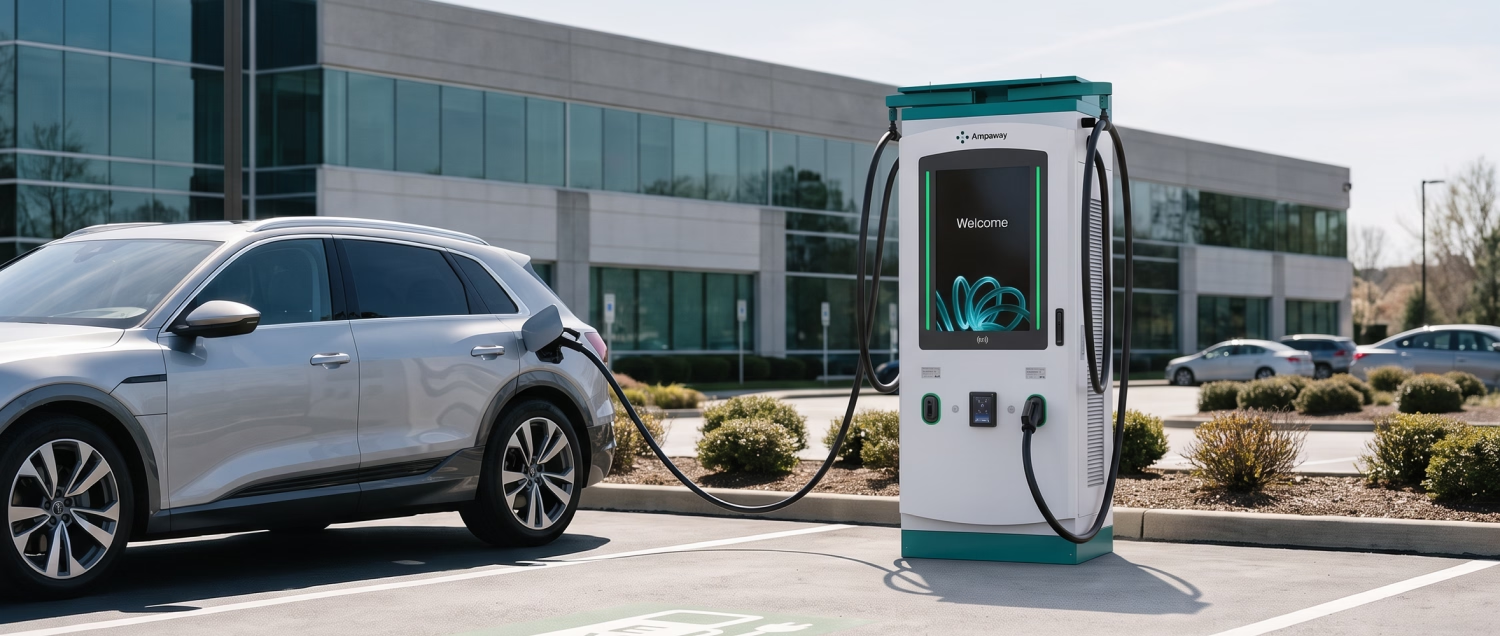

Installing an EV charger outdoors comes with a different set of challenges than an indoor install. There's no controlled environment to rely on. The charger has to hold up against weather, stay clear of vehicle traffic, and keep working reliably with minimal intervention, all while staying convenient for drivers to use.
An outdoor EV charger installation depends on more than just picking a spot and mounting a unit. Weather exposure affects which enclosures and materials make sense. Location determines both driver accessibility and how much physical protection the charger needs. Electrical infrastructure sets how many chargers a site can support now and how easily that can grow later. And none of it stays solved on its own, ongoing maintenance is what keeps performance consistent over time.
Planning for these factors upfront is what separates a smooth installation from one that ends up needing costly repairs, unplanned downtime, or safety fixes down the line. The sections below walk through what that planning looks like, from site selection through the software that keeps a charging network running once it's live.
Can EV chargers be installed outdoors?
Yes, and it's one of the most common setups for commercial and multifamily properties. Parking lots, curbside spaces, and open-air garages account for a large share of outdoor charger installation projects, since most available parking sits outside. The key difference from an indoor install is that the hardware, placement, and protection all need to account for constant exposure.
Weather resistance and IP ratings
Outdoor chargers are built to a different standard than indoor units, measured by an IP rating. The two digits describe how well the enclosure resists solid particles like dust and how well it resists water. Outdoor charging equipment typically needs a rating suited to direct rain and dust exposure, not just occasional splashing. This rating is the baseline for any outdoor install, but it's a starting point, not a guarantee of zero upkeep.
Commercial vs. residential outdoor installations
The two aren't interchangeable projects. A residential driveway charger sees one vehicle, limited exposure to public traffic, and low cycle counts. A commercial site, whether it's a retail lot, an office parking structure, or a hotel entrance, sees far more daily use and often public access. For commercial properties, that heavier use tends to reflect the benefits of EV charging stations for business, from tenant attraction to added revenue, which is part of why standards run higher on these sites, even when the base hardware looks similar.
Common outdoor installation locations
Surface parking lots make up a large share of these projects, which is often where a dedicated EV charging solution for parking facilities becomes the starting point before expanding to open-air garages, carports, curbside spaces, and building exteriors. Each location comes with its own mix of exposure and traffic patterns, which is why location selection, covered next, matters as much as the hardware itself.

Choose the right location
Where a charger goes affects nearly everything else about the installation, from cost to safety to how much drivers actually use it. A good location balances convenience for drivers with practical constraints around power, protection, and the ground it sits on.
Accessibility for drivers
A charger only gets used if it's easy to reach. That means placing it near regular parking spots, keeping a clear path from the parking spot to the unit, and accounting for accessibility requirements so the space works for all drivers. A charger that's technically installed but inconvenient to use tends to sit idle.
Distance from the electrical supply
The farther a charger sits from the electrical panel, the more conduit and labor the installation requires. Sites often default to the most visible or convenient parking spot without checking how far that spot is from available power, which can turn a straightforward install into a costly one. Weighing driver convenience against proximity to the panel early on avoids that surprise.
Protecting chargers from vehicle damage
Chargers placed too close to drive lanes or turning paths are exposed to the kind of accidental contact that damages hardware over time. Location choice is the first line of defense here, keeping units out of tight turning radii and away from paths vehicles use to maneuver in and out of spaces. Physical protection like bollards adds another layer, covered later on.
Drainage and surface conditions
Low points where water collects are worth avoiding, both for the charger's longevity and for driver safety around the unit. Ground stability matters too, a mounting surface should be checked before installation. Getting this right upfront avoids drainage issues that are far more disruptive to fix once a charger is already in place.
Select hardware designed for outdoor use
Location decisions protect a charger from where it sits. Hardware decisions protect it from what it's exposed to every day. The right equipment choices carry the site through years of weather and use without needing early replacement.
Weatherproof enclosures
This is where the IP rating from earlier translates into an actual product decision. An outdoor weatherproof EV charger installation depends on enclosures built with sealed housings and gasketed doors that keep moisture and debris away from the internal components, not just a rating printed on a spec sheet.
Cable management systems
Cables left loose on the ground collect moisture, wear faster, and create a hazard for anyone walking near the unit. Retractable reels or holsters keep the cable off the ground when it's not in use, which extends its life and keeps the site tidier for drivers.
Connector protection
The connector itself takes the most direct wear, since it's handled every time a driver plugs in. Covers or boots that shield it when idle, combined with UV stable materials, keep the plastic from degrading under constant sun exposure over time.
Mounting options
Pedestal or post mounted units work well in open lots where the charger needs to stand independent of a wall. Wall mounted units make sense where a building or structure is already nearby, saving on materials and installation time. The right choice comes down to what the site already offers.
Prepare the electrical infrastructure
Hardware and location decisions only work if the electrical setup behind them can support the load, which is where the broader EV charging station installation process determines how many units a site can realistically run, both now and as demand grows.
Available electrical capacity
Before committing to a number of chargers, it's worth assessing what the existing panel can actually support against the site's EV charger installation requirements. Sites often discover this step matters more than expected, since available capacity, not driver demand, ends up being the limiting factor on how many units go in.
Circuit protection
Outdoor installations need circuit protection rated for wet or exposed conditions, not just standard indoor components. This is a detail best handled by a licensed electrician familiar with local requirements, since it varies by site and jurisdiction.
Future expansion
Installing conduit and panel capacity with room to grow costs less than coming back later to trench and rewire for additional chargers. Sites that plan for expansion upfront, even if they only install a few units initially, avoid a second disruptive project down the line.
Dynamic load management
Rather than sizing electrical capacity for every charger running at full power simultaneously, load management systems distribute available power across active chargers in real time. This lets a site support more chargers on the same electrical capacity, since most chargers aren't drawing full power at the exact same moment. It's a planning consideration worth raising with any installer, since it directly affects how many chargers a site can support without a costly capacity upgrade.
Consider environmental conditions
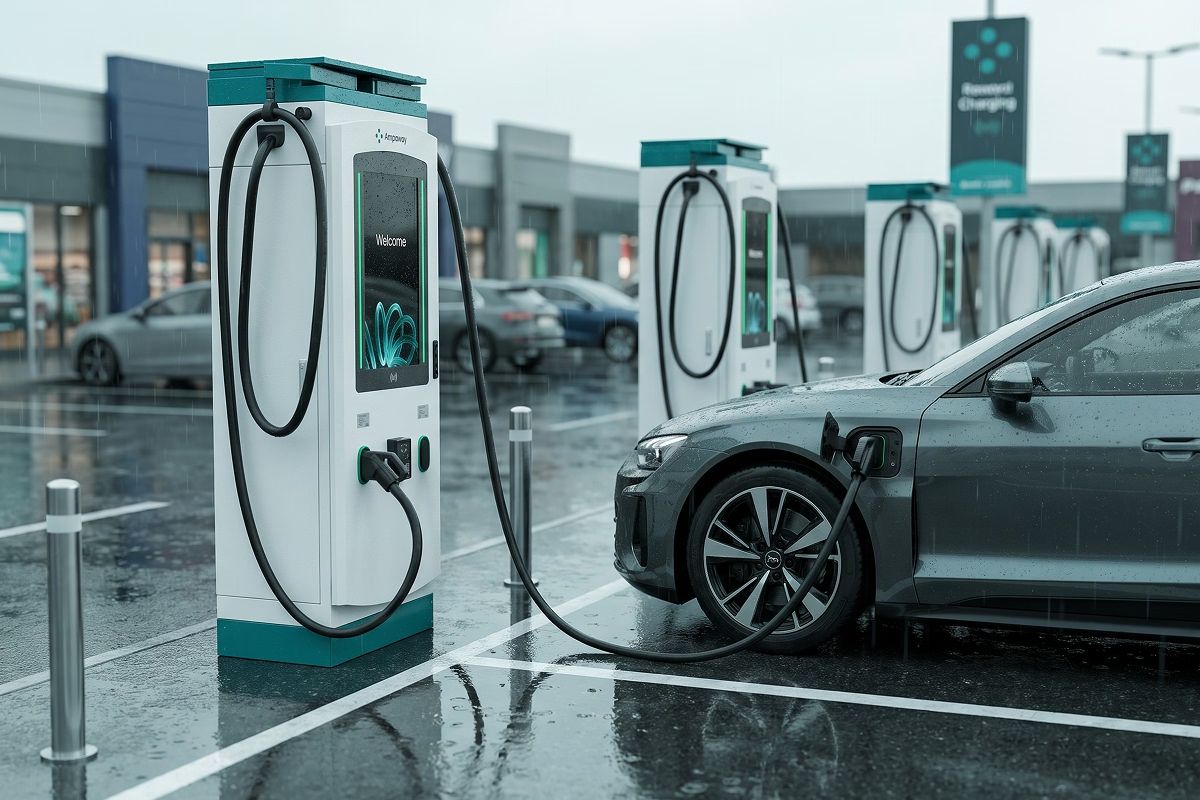
Hardware and enclosures set the baseline for weather resistance, but different climates put different demands on that hardware. What holds up well in one region may need extra consideration in another.
Rain and moisture
Sealed enclosures keep water away from internal components, but drainage around the unit matters just as much. A charger with a solid enclosure sitting in a spot where water pools around its base is still exposed to problems the enclosure alone can't solve.
Snow and ice
Mounting height should account for typical snow accumulation in the area, so the unit and connector stay accessible even after a storm. Sites in colder climates also need to plan for clearing snow around the charger without damaging the unit or blocking driver access.
Extreme temperatures
Both heat and cold affect charging performance, and hardware built for outdoor use accounts for this with thermal management built into the unit. Extreme heat can slow charging speed, while very cold temperatures affect it differently, which is worth factoring in for sites in climates with wide seasonal swings.
Dust and coastal environments
Coastal sites deal with salt air that accelerates corrosion on metal components, while dusty inland environments can affect ventilation and connector cleanliness over time. Materials and coatings suited to the specific environment help, but they reduce the rate of wear.
Plan for safety and durability
A charger can be weatherproofed and perfectly located and still run into trouble from something as simple as a car pulling in too close or a cable left across a walking path. Safety planning is what catches the everyday risks that weather resistance and site selection don't cover on their own.
Bollards and physical protection
Bollards are the most common safeguard against vehicle contact, placed around the charger to absorb impact from a car pulling in too close or misjudging a turn. Higher traffic sites, like retail lots or shared parking structures, tend to warrant this protection more than a low traffic residential driveway would. The right level of protection depends on how much vehicle movement happens near the unit.
Lighting and visibility
Adequate lighting around a charger makes it usable after dark and easier for drivers to spot from a distance. It also supports general site safety, since a well lit charging area is easier to navigate and monitor than one left in shadow.
Signage and accessibility
Clear signage helps drivers identify charging spots quickly and reduces confusion around who the spaces are for. Marked parking and accessible design also support compliance with site accessibility standards, which matters for any commercial property serving the public.
Cable trip hazards
A cable left across a walking path is a hazard regardless of how well the rest of the installation is planned. Retractable or elevated cable management, covered earlier in the hardware section, is what keeps this risk contained without requiring drivers to think about where they step.
Don't overlook software and remote management
Once hardware and electrical planning get a charger installed, software is what keeps it running, especially for a site that isn't staffed or checked daily.
Remote monitoring
Remote monitoring gives visibility into whether a charger is online, in use, or experiencing an issue, without needing someone to check the unit in person. For outdoor sites spread across a property or a lot, this replaces routine physical checks with a dashboard view.
Fault notifications
When something does go wrong, fault notifications flag the issue as it happens rather than waiting for a driver to report it or for someone to notice during a routine walk through. Catching problems early keeps a charger out of service for less time.
Over-the-air updates
Firmware updates delivered remotely mean a charger's software can improve or get patched without a technician visiting the site. This matters more for outdoor installations, where a site visit takes more coordination than an indoor location might.
Usage reporting
Usage data shows how often a charger gets used and what it's generating in revenue, which matters directly to property owners and operators tracking the return on an installation. It also helps identify when demand is approaching the site's current capacity, which ties back into planning for future expansion.
Common outdoor EV charger installation mistakes
Most problems with outdoor installations trace back to a decision made early in the process, long before the charger was ever turned on.
Choosing the wrong installation location
A spot that seemed convenient at first can turn into a recurring problem if it's too far from the electrical panel, too close to a drive lane, or prone to standing water. These are the same factors covered earlier, and skipping past them at the planning stage is usually what leads to costly fixes later.
Ignoring future charging demand
Installing exactly enough capacity for today's needs often means a second, more disruptive project down the line. Sites that don't plan for growth end up trenching and rewiring again just a year or two after the first install.
Skipping routine maintenance
Weatherproof hardware still needs regular attention. Assuming a sealed enclosure means the charger can be left alone indefinitely is one of the more common misconceptions, and it tends to show up as preventable wear or failures over time.
Installing chargers without load management
Sizing electrical capacity for every charger running at full power simultaneously leaves a site paying for more electrical capacity than it actually needs day to day. It's a decision that's much easier to correct before installation than after.
Maintaining outdoor EV chargers
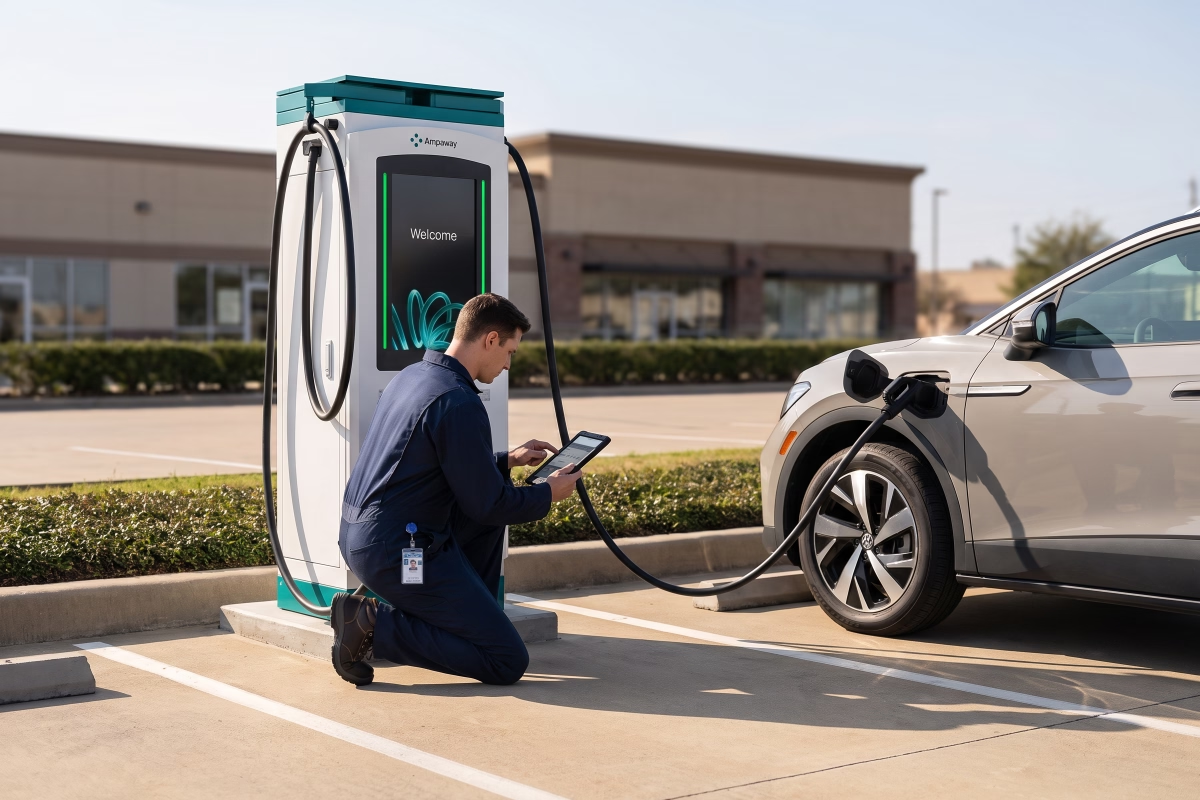
An outdoor charger installed correctly can still lose reliability over time without a maintenance routine behind it. Weatherproofing manages daily exposure, but it doesn't replace regular upkeep.
Routine visual inspections
Periodic walkthroughs catch issues before they turn into failures, things like a cracked connector cover, a loose mounting bolt, or visible wear on the enclosure. These checks don't need to be elaborate, just consistent enough to catch problems while they're still minor.
Cleaning connectors and enclosures
Dust, salt residue, and general grime build up on outdoor units faster than indoor ones. Cleaning connectors and enclosure surfaces on a regular basis prevents that buildup from affecting the charger's performance or the driver's experience plugging in.
Firmware updates
Even with updates delivered remotely, someone still needs to confirm they're being applied and that the charger is running current software. Falling behind on updates can leave a charger missing fixes or improvements that were already available.
Preventive maintenance schedules
Setting a maintenance cadence ahead of time keeps small issues from turning into service calls. A predictable schedule also makes it easier to budget for upkeep across a site with multiple chargers.
Outdoor EV charger installation checklist
A quick recap of the planning considerations covered above, useful as a final check before moving forward with an outdoor EV charger installation.
Site selection
- Confirm accessibility for drivers and a clear path to the unit
- Check distance from the electrical supply
- Account for vehicle traffic and turning paths near the location
- Rule out low points where water could collect
Electrical readiness
- Assess available electrical capacity before finalizing charger count
- Confirm circuit protection suited to outdoor conditions
- Plan conduit and panel capacity for future expansion
- Evaluate load management to support more chargers on existing capacity
Hardware selection
- Choose enclosures rated for the site's weather exposure
- Select cable management that keeps cords off the ground
- Confirm connector protection suited to sun and moisture exposure
- Decide between pedestal and wall mounting based on the site
Software configuration
- Set up remote monitoring for site visibility
- Enable fault notifications for faster issue response
- Confirm over-the-air update capability
- Set up usage reporting to track performance and demand
Long-term maintenance planning
- Schedule routine visual inspections
- Plan regular cleaning of connectors and enclosures
- Track firmware update status
- Establish a preventive maintenance cadence rather than a reactive one
Building an outdoor charging installation that lasts
The planning considerations covered here, location, hardware, electrical capacity, and safety, all work together. A well placed charger with the wrong enclosure still wears out early, and solid hardware on inadequate electrical infrastructure still limits how much a site can grow. That interdependence is why an outdoor EV charger installation holds up best when it's planned as a complete system. Durable hardware manages daily exposure, but software keeps a site reliable over years of use, flagging issues before they become failures and giving property owners visibility without requiring someone on site.
Ampaway approaches outdoor charging with that full picture in mind, from dynamic load management that gets more chargers out of existing electrical capacity, to remote monitoring and fault alerts that keep a site running without constant manual checks. For properties planning an outdoor installation, that combination of durable hardware and active management is what turns a charger from a one time project into infrastructure that holds up over time.