Load Management for EV Charging Stations
Fit more EV chargers onto your existing electrical capacity with Ampaway’s dynamic EV load management.

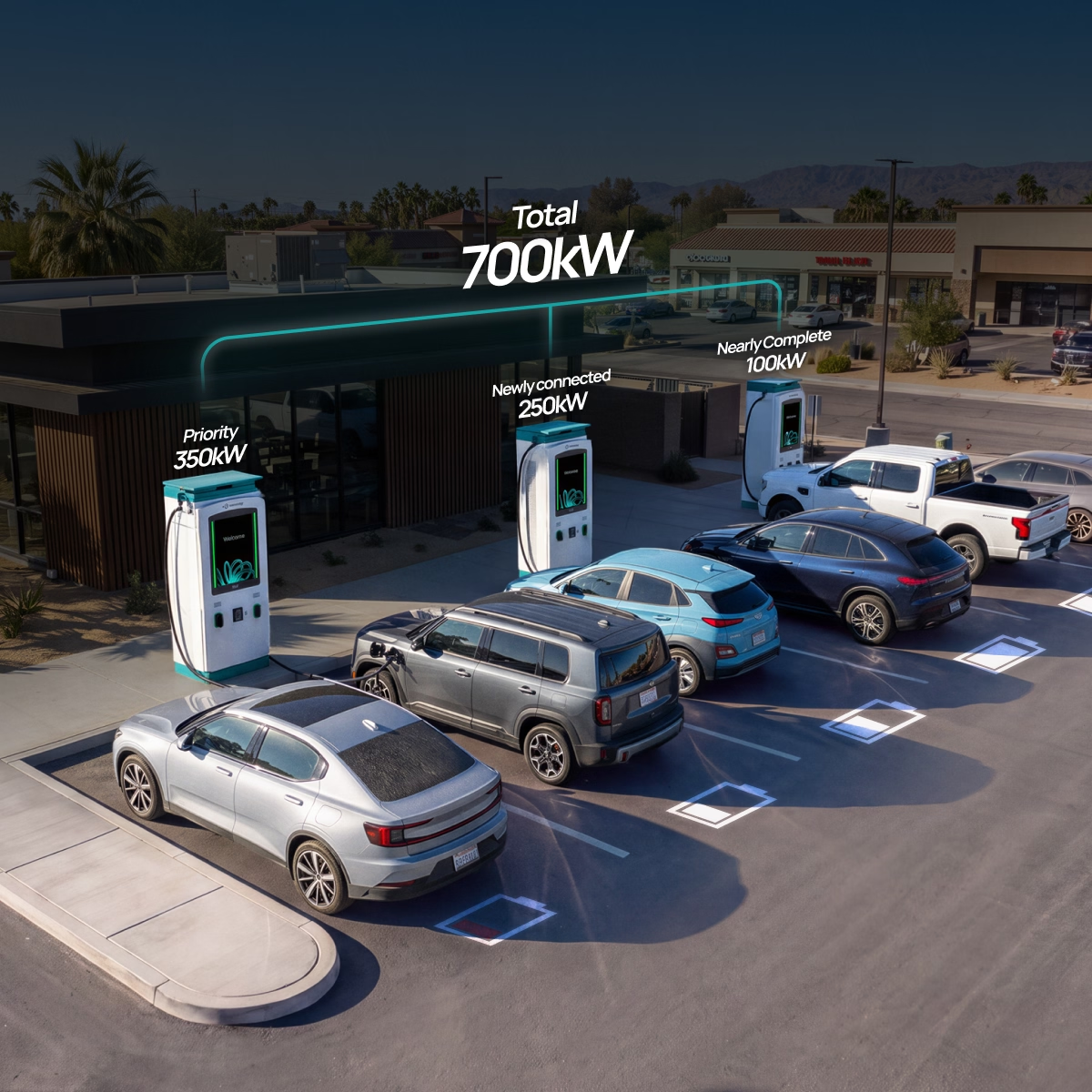
Charge More EVs With EV Charger Load Management
Install more EV chargers using your existing allocated charging capacity. Instead of assigning a fixed amount of power to every charger, EV charging load management intelligently distributes the dedicated charging capacity across active chargers.
It can also optimize charging based on driver behavior during busy periods, helping you support more chargers without additional electrical upgrades while delivering a smooth charging experience.
How Ampaway's Dynamic Load Management Works
Our EV load management system runs a continuous loop that keeps every charger inside your building's safe limits.
Monitor
The EV charging system reads real-time electrical demand across the group of EV chargers.
Calculate
Ampaway works out exactly how much power is available to distribute at that moment.
Distribute
Our platform allocates that power across all active sessions, so no circuit is overloaded.
Adapt
As EVs plug in or finish charging, the system redistributes the power across connected chargers.
Load Balancing Across Multiple Chargers
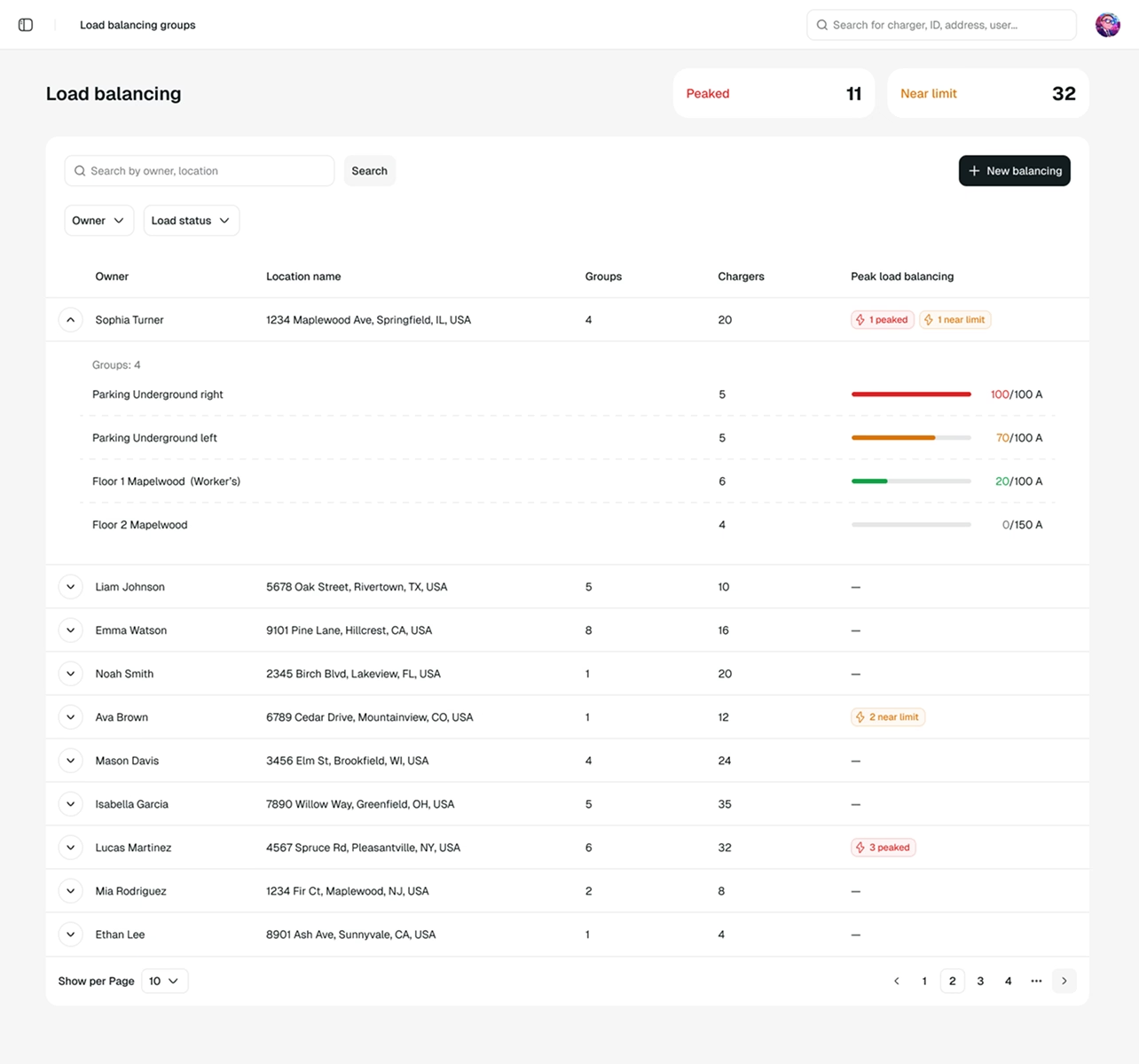
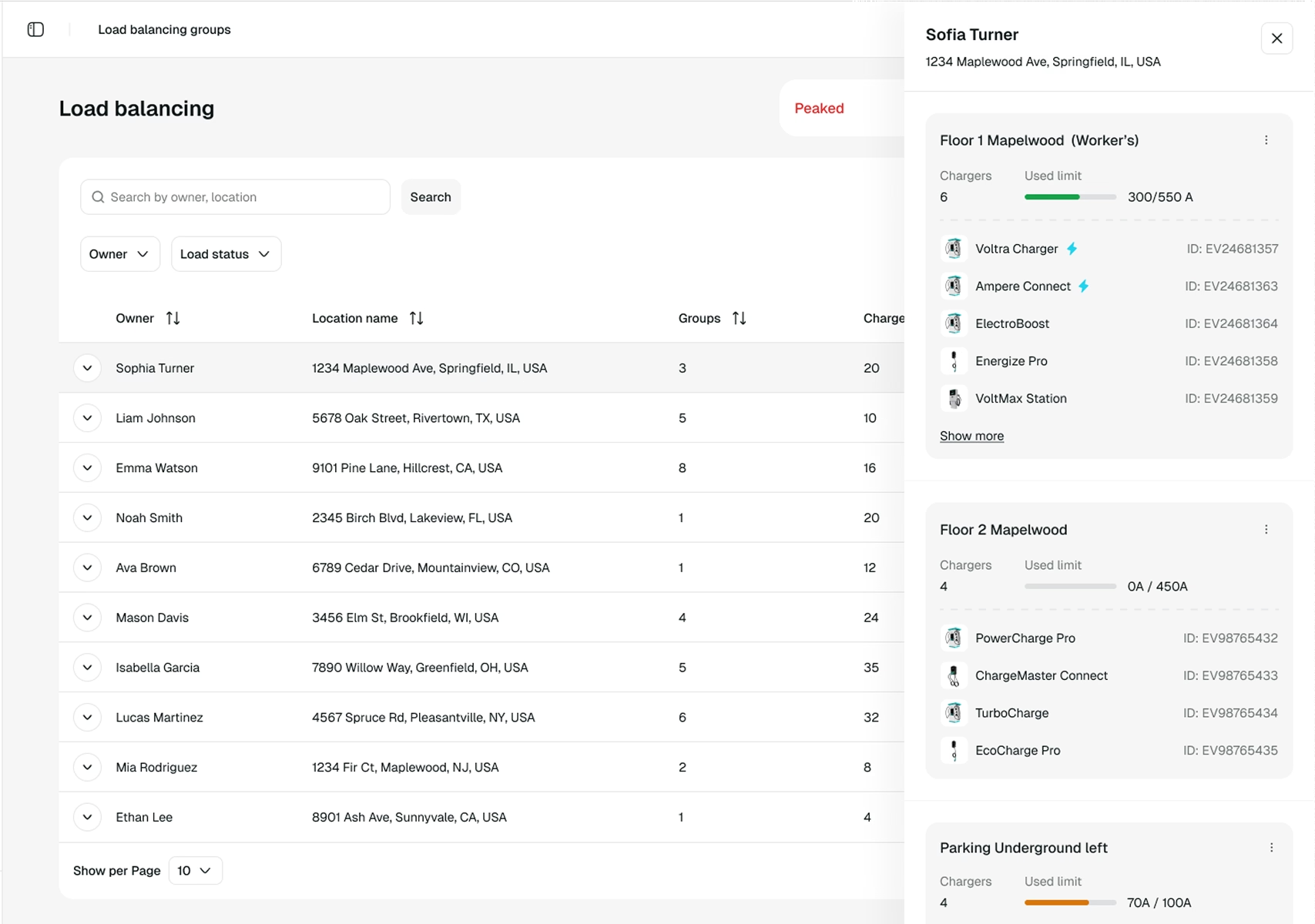
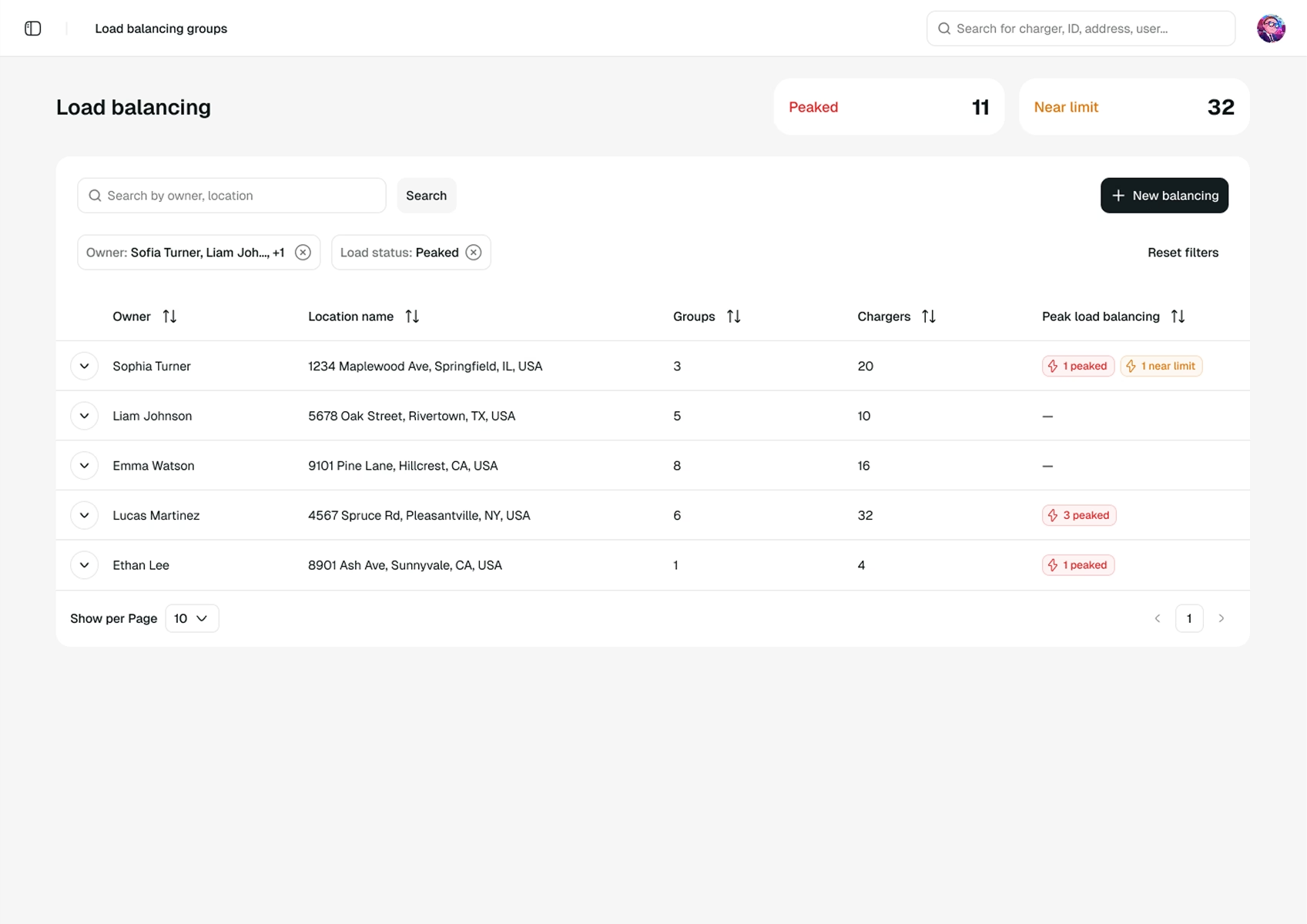
Automatic Load Management
Zero Manual Configuration
Ampaway's load management system runs automatically, with no settings to tune and no schedules to build. After installation, it continuously optimizes power distribution across connected chargers without any input from your side.
Managed as a Service
EV load management is part of the operated service, not a piece of hardware for you to maintain. Our team monitors, updates, and supports the system so it keeps working in the background while you focus on your property.
Continuous Monitoring and Optimization
We optimize how the dedicated charging capacity is shared across connected EV chargers. The system learns driver charging behavior over time and adjusts power allocation during busy periods to make the most of the available capacity.
Avoid Costly Panel and Service Upgrades
The Cost of Electrical Upgrades
Upgrading a panel or main service to support EV charging can run into the tens of thousands of dollars, plus permits, utility coordination, and weeks of downtime. For many properties, that upfront cost is the biggest barrier to adding chargers.
Get More Chargers From Existing Capacity
By distributing the amount of available power across multiple chargers, Ampaway helps support more charging ports without increasing the allocated capacity. This lets you serve more EVs while making better use of the power assigned to your charging network.
Lower Upfront Investment
Ampaway installs and operates the charging setup without an upfront investment or ongoing fees, earning through a revenue-share model instead. You add capacity and a new income stream without laying out capital or taking on operational risk.
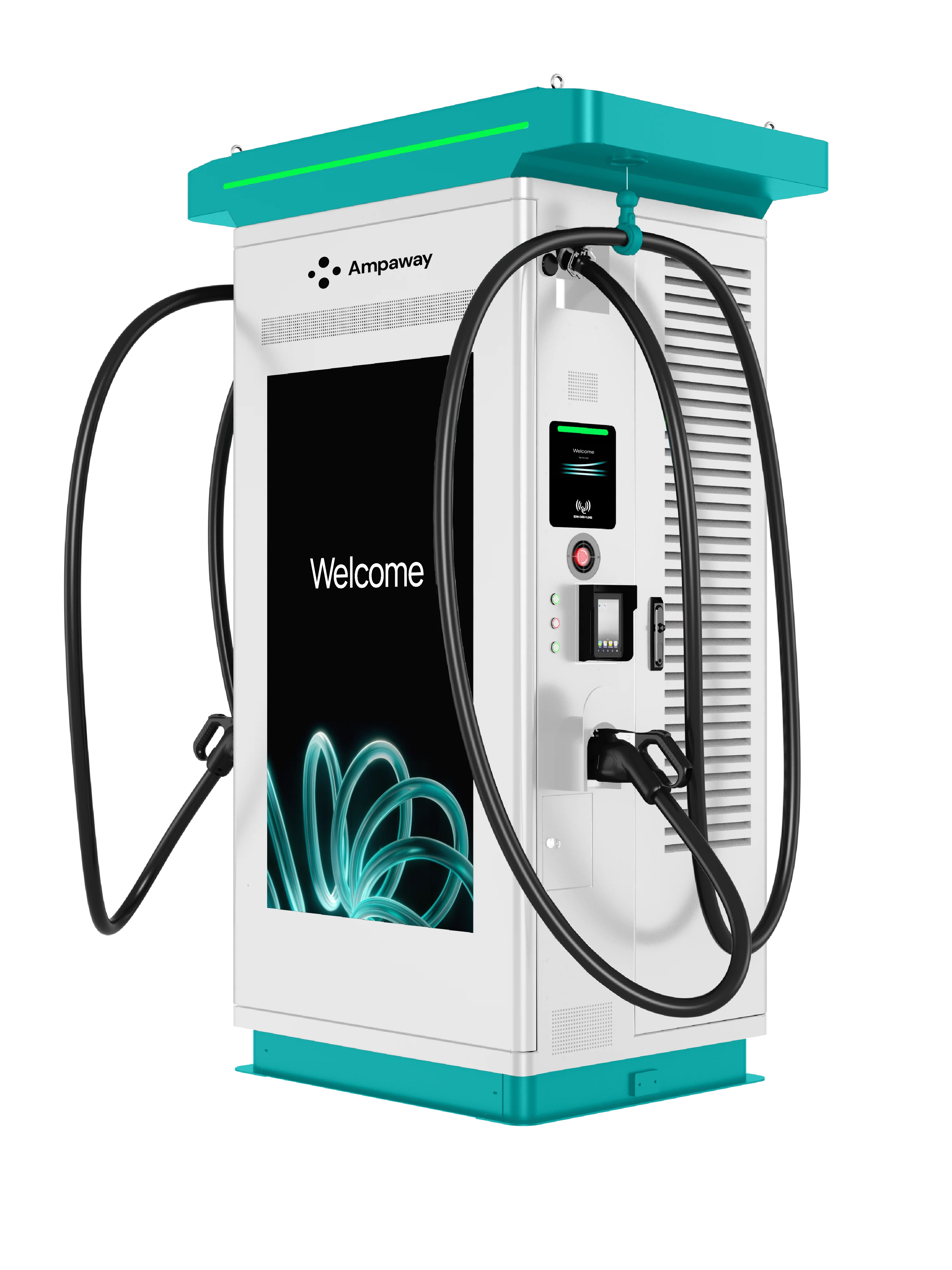
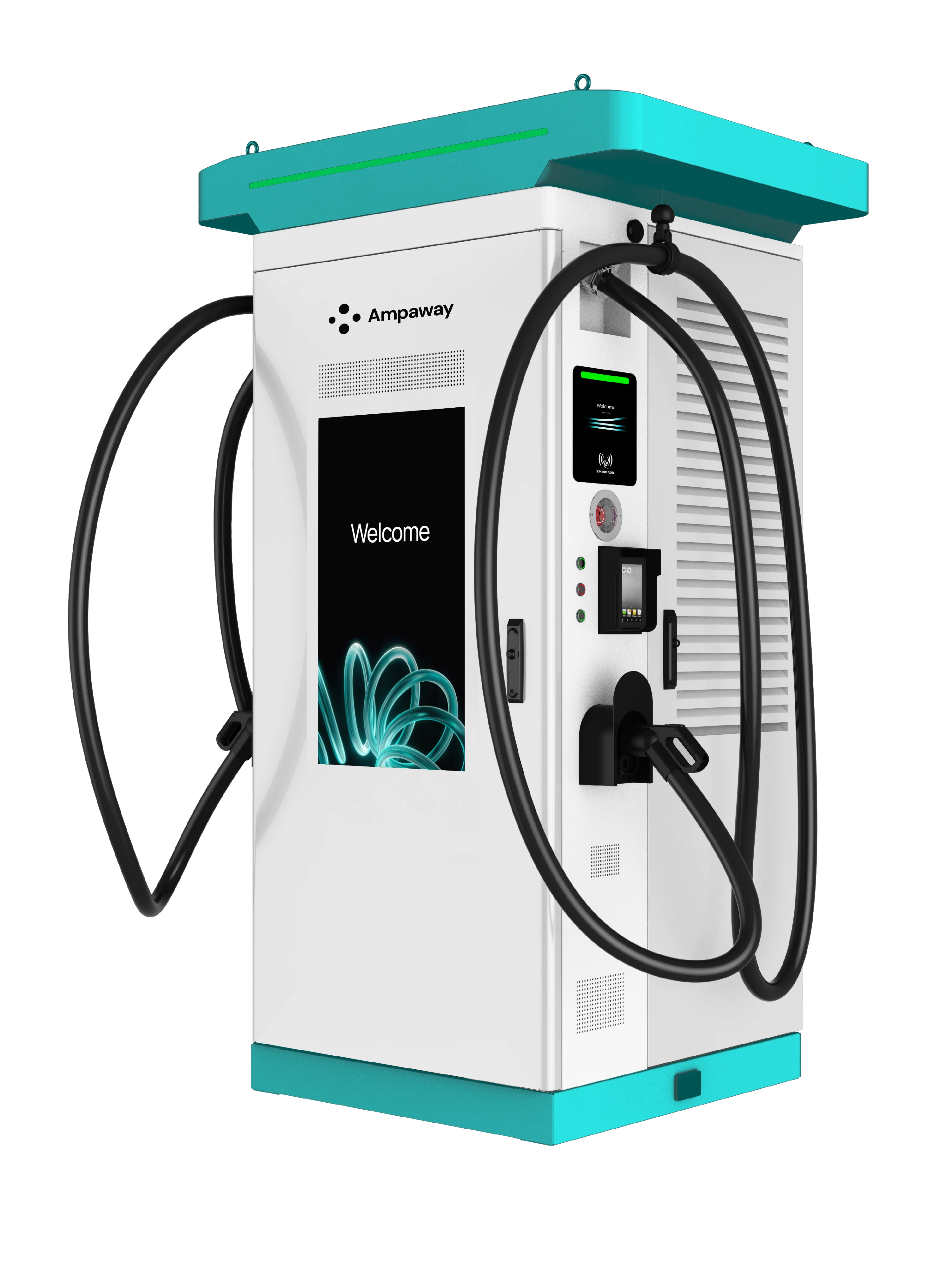
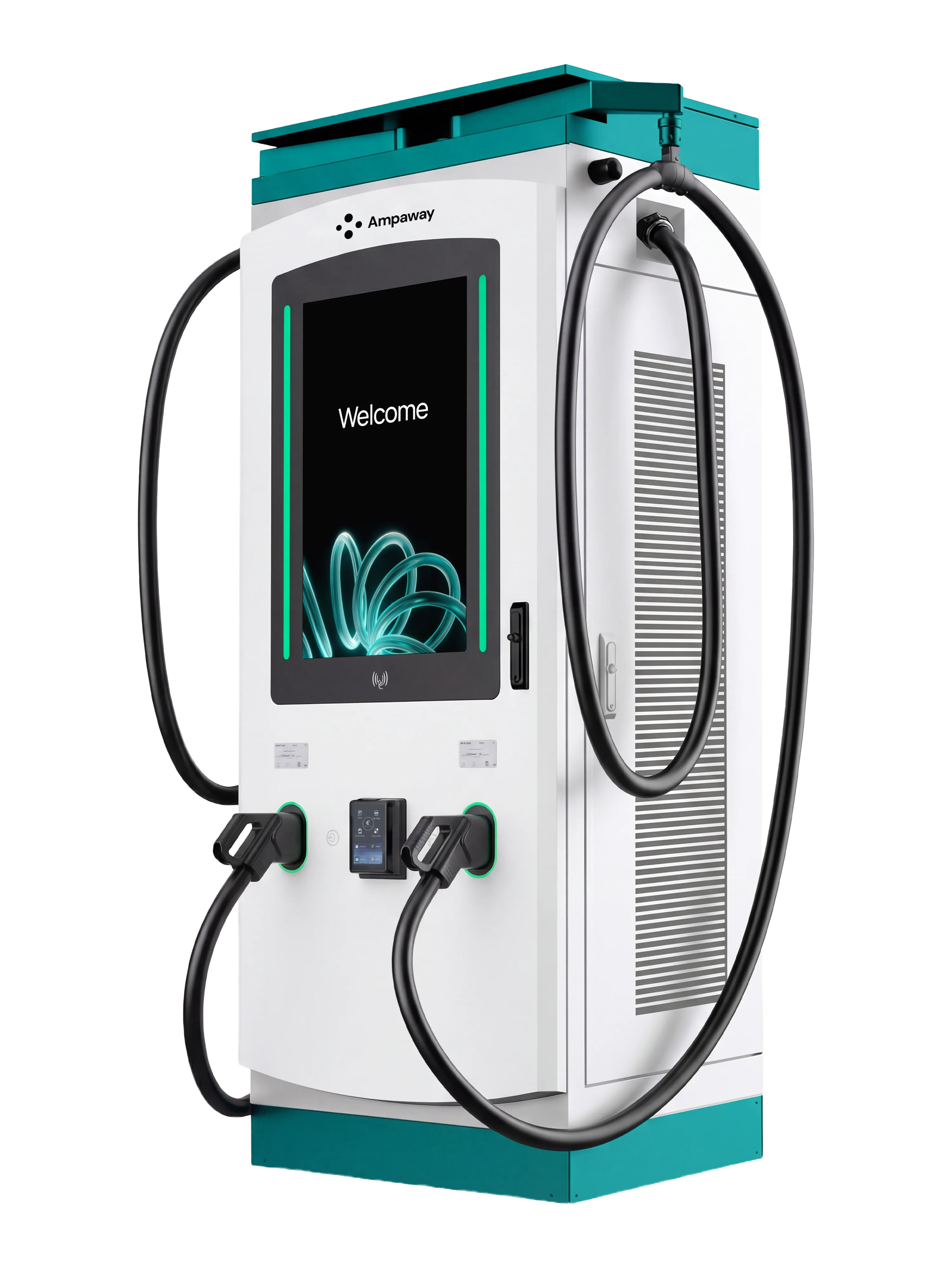
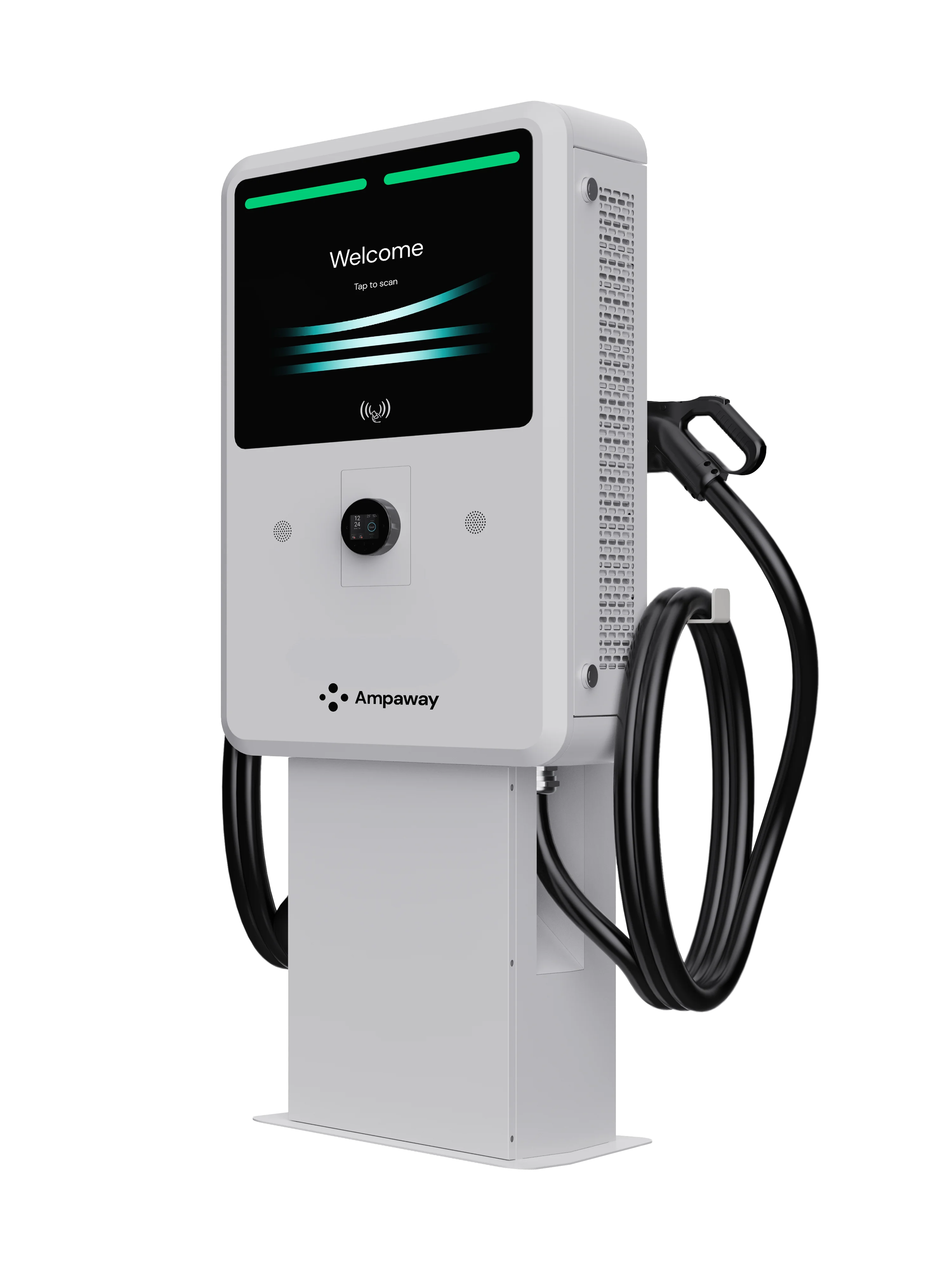
EV Chargers With Built-In Load Management
Every Ampaway charger includes load management out of the box, automatically distributing available charging capacity across connected chargers from day one.


Where Load Management Matters Most

Serve every resident from a shared electrical service without rewiring the building.
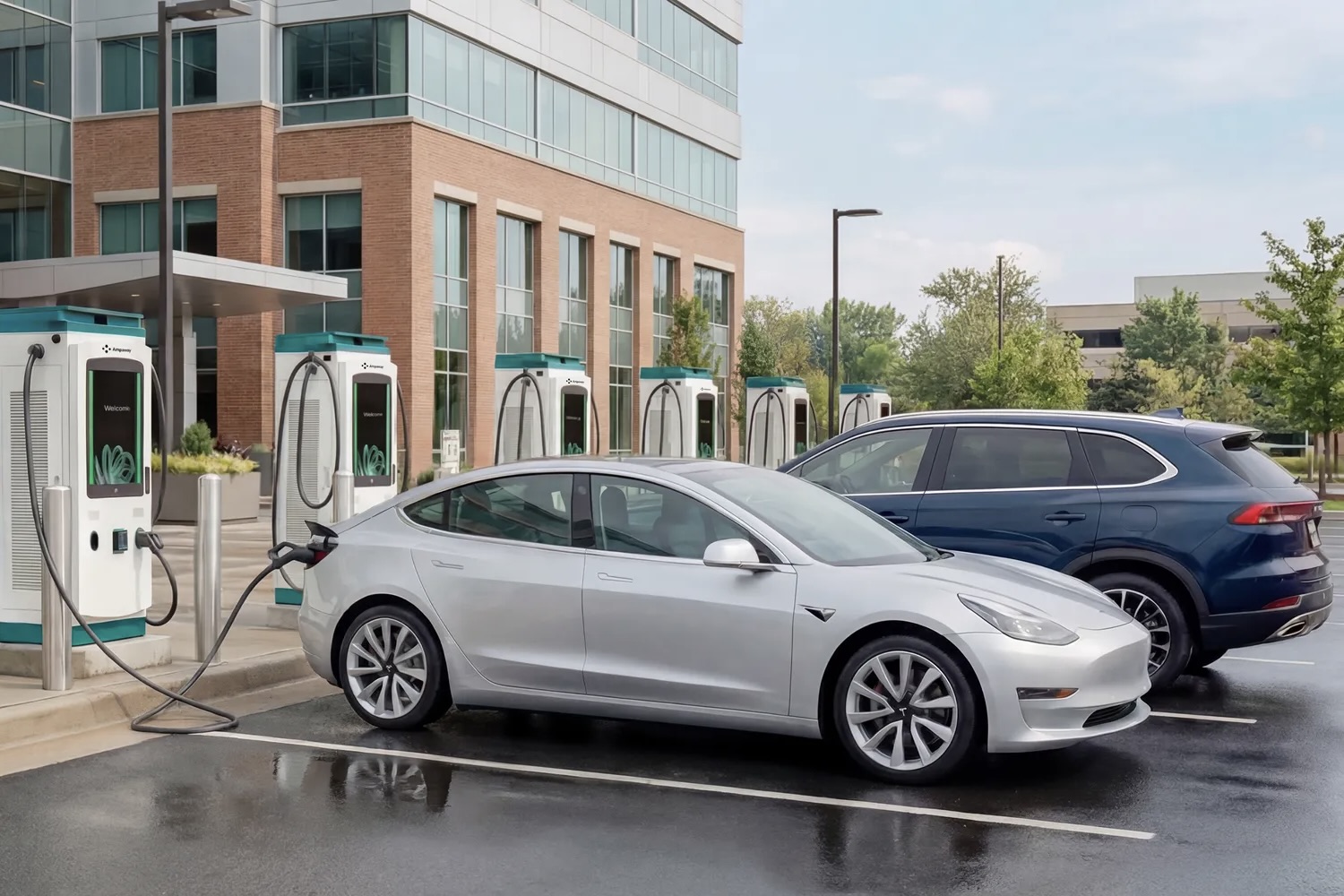
Add chargers for staff and visitors while maintaining your existing service capacity.
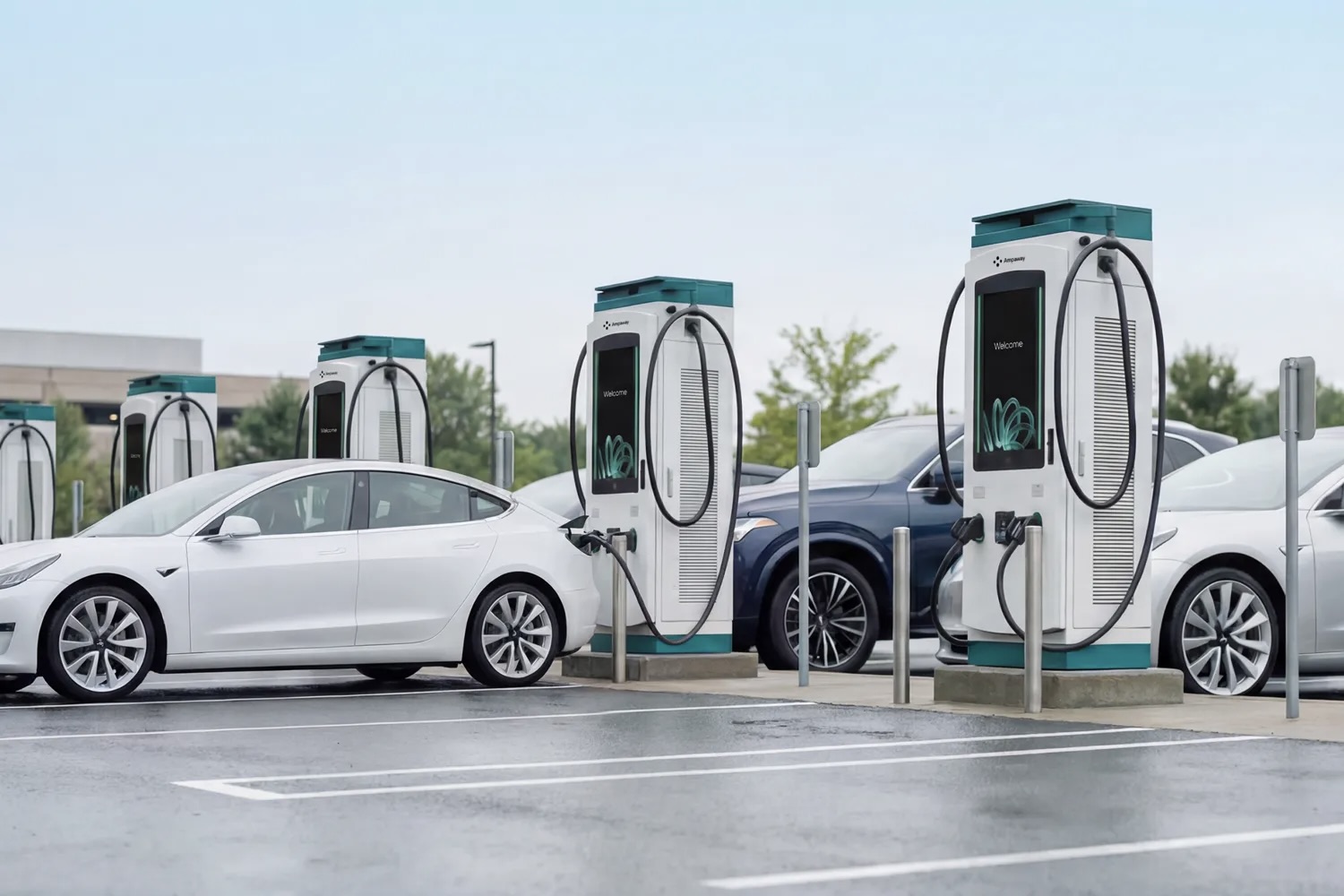
Give customers a reason to stay longer with chargers that fit your current power.
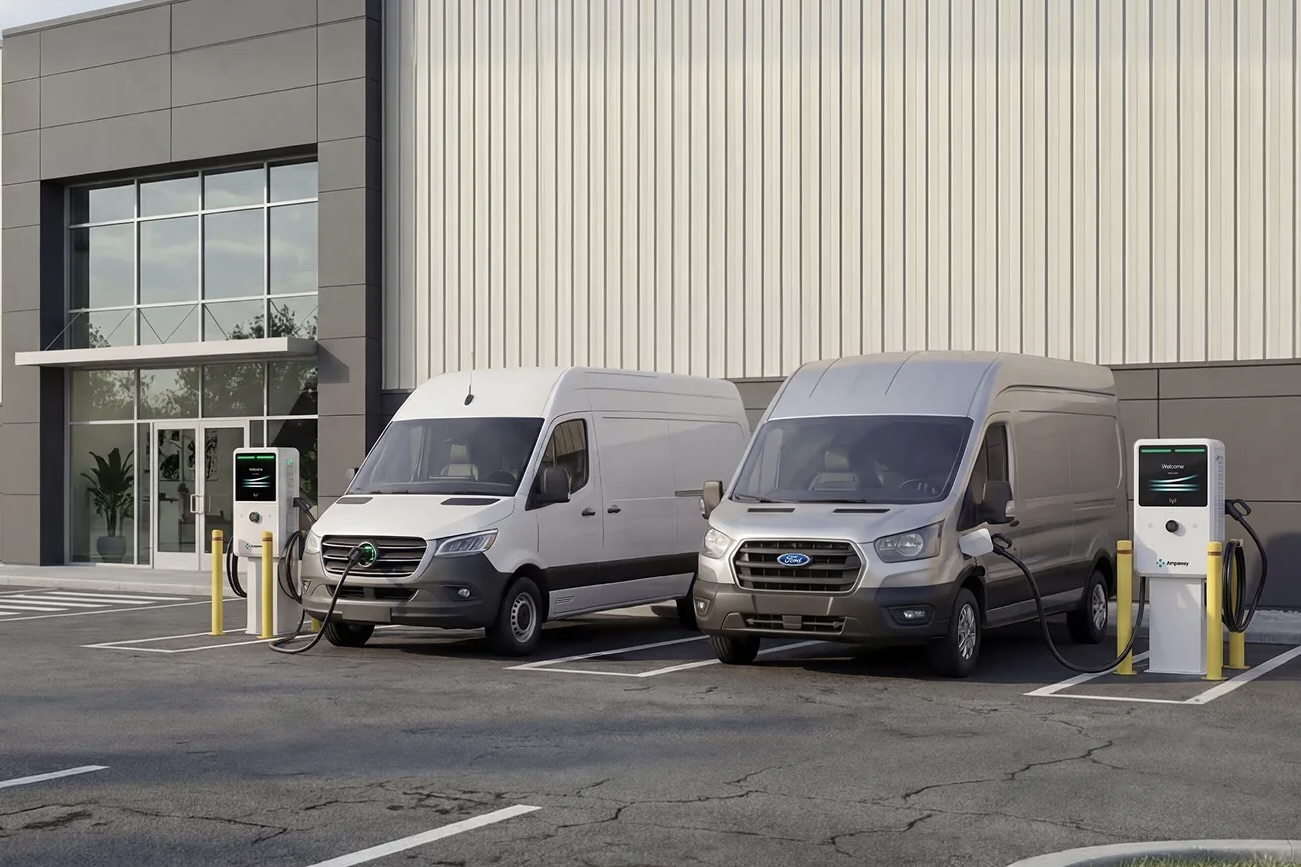
Fleet
Keep your EV fleet charged overnight by balancing power across a full row of chargers.
FAQs
Get answers to common questions about charging installation, operation, and support.
EV load management distributes a dedicated amount of available power across multiple EV chargers, ensuring the charging network stays within its assigned capacity. It helps properties support more chargers while making the most of the power allocated to EV charging. Ampaway also uses driver charging behavior to optimize power distribution automatically during busy periods.
When only a few EVs are charging, each charger can deliver more power. As more vehicles connect, the available charging capacity is shared across the network, and the system can prioritize charging based on driver behavior during busy periods. As charging demand changes, power is automatically reallocated to make the most of the dedicated capacity.
In many cases, yes. Because Ampaway intelligently distributes a dedicated amount of charging capacity across multiple chargers, you can often support more charging ports without increasing the power allocated to your charging network. A free site assessment will determine how many chargers your available charging capacity can support.
The number depends on the charging capacity allocated to your EV charging network and expected usage patterns, not on a fixed limit per charger. By intelligently sharing that capacity across connected chargers and optimizing charging based on driver behavior, Ampaway can support more chargers without increasing the allocated capacity. Our team determines the right configuration during your site assessment.
Ampaway's load management is built into our own chargers and is designed to manage them as one coordinated charging network. If you already have chargers installed, a site assessment is the best way to review your setup and available options. In most cases, the recommended solution is a fully managed Ampaway system.
Load management is not always legally required, but it is often the most practical way to support more chargers without increasing the charging capacity allocated to the network. For multifamily properties, intelligently sharing that capacity across chargers helps serve more residents as EV adoption grows.
Load management primarily helps properties make better use of the charging capacity already allocated to their EV charging network, reducing the need for costly electrical upgrades. By optimizing how that capacity is shared across chargers, it supports efficient operation as charging demand changes.
Add EV charging without an electrical service upgrade
See how many chargers your existing capacity can support, with no upfront cost and nothing for you to manage.