Every EV charging project, be it a single multifamily building or a full workplace parking lot, moves through permitting, code review, and inspection before chargers can go live. Understanding EV charger installation requirements early helps property owners, developers, and project managers avoid delays once construction starts. Requirements vary by city, state, and utility, so there is no single, universal process to follow. This guide covers what typically applies, including permitting, applicable codes, required documentation, and the inspection process, along with the common causes of delays, so teams planning EV charging solutions for businesses know what to expect before ground is broken.
Permits and approvals for EV charger installation
Installing a charger typically means adding a new electrical circuit, and any work that affects a building's electrical system generally falls under local permitting rules. The exact process depends on the city or county involved, so it's worth confirming requirements with the local permitting office before finalizing project plans.
When permits are typically required
A permit is generally needed for any project involving a new dedicated circuit, a panel change, or conduit and trenching work between the electrical panel and the parking area. This covers most installations of Level 2 and DC fast EV charger types at commercial, multifamily, and workplace properties. Some jurisdictions treat certain low-power or portable setups differently, which is one reason it helps to confirm with the local authority early rather than assume the same rules apply everywhere.
Who is responsible for obtaining permits?
The licensed electrician or installation contractor usually pulls the permit to install an EV charger, since the application requires details like load calculations and equipment specifications. Property owners and project managers are generally responsible for confirming the contractor is properly licensed in the relevant jurisdiction and that the permit is filed correctly before work begins. Providers, like Ampaway, who offer a full EV charger installation service typically manage this step as part of the project scope, though it still helps to know who is listed as the permit holder of record.
EV charger installation codes and standards
Once a permit is filed, the project is evaluated against several layers of code. These vary by location, but most jurisdictions draw from a similar set of underlying standards.
Electrical codes
In the United States, the National Electrical Code, specifically Article 625, sets the baseline requirements for EV charging equipment, covering how circuits are sized, how equipment is grounded, and how chargers connect to a building's electrical system. Many states and cities adopt the NEC with their own local amendments, so a detail that's standard in one city can require an extra step somewhere else. This is a case where working with a contractor who already knows the local code version saves time, rather than something a property owner needs to interpret directly.
Building and accessibility requirements
Electrical rules aside, EV charging projects may also need to comply with accessibility requirements. In the United States, the Americans with Disabilities Act (ADA) establishes general accessibility obligations, while state and local building codes may include specific technical requirements for EV charging spaces. For example, California Building Code Chapter 11B sets detailed requirements for the number of accessible charging spaces, access aisles, signage, mounting heights, and clear floor space. Because these requirements vary by jurisdiction, it's important to confirm the applicable accessibility standards before finalizing the site design.
Utility and local authority requirements
In many projects, the utility and the Authority Having Jurisdiction (AHJ) review different parts of the installation on separate timelines. The AHJ, typically the local building or electrical department, is responsible for issuing permits, reviewing code compliance, and performing inspections. The utility separately evaluates whether the property's electrical service can support the additional load and may require its own service upgrade or interconnection approval before installation can proceed. Understanding these parallel approval processes early helps avoid delays during permitting and construction.
Documents needed for EV charger installation
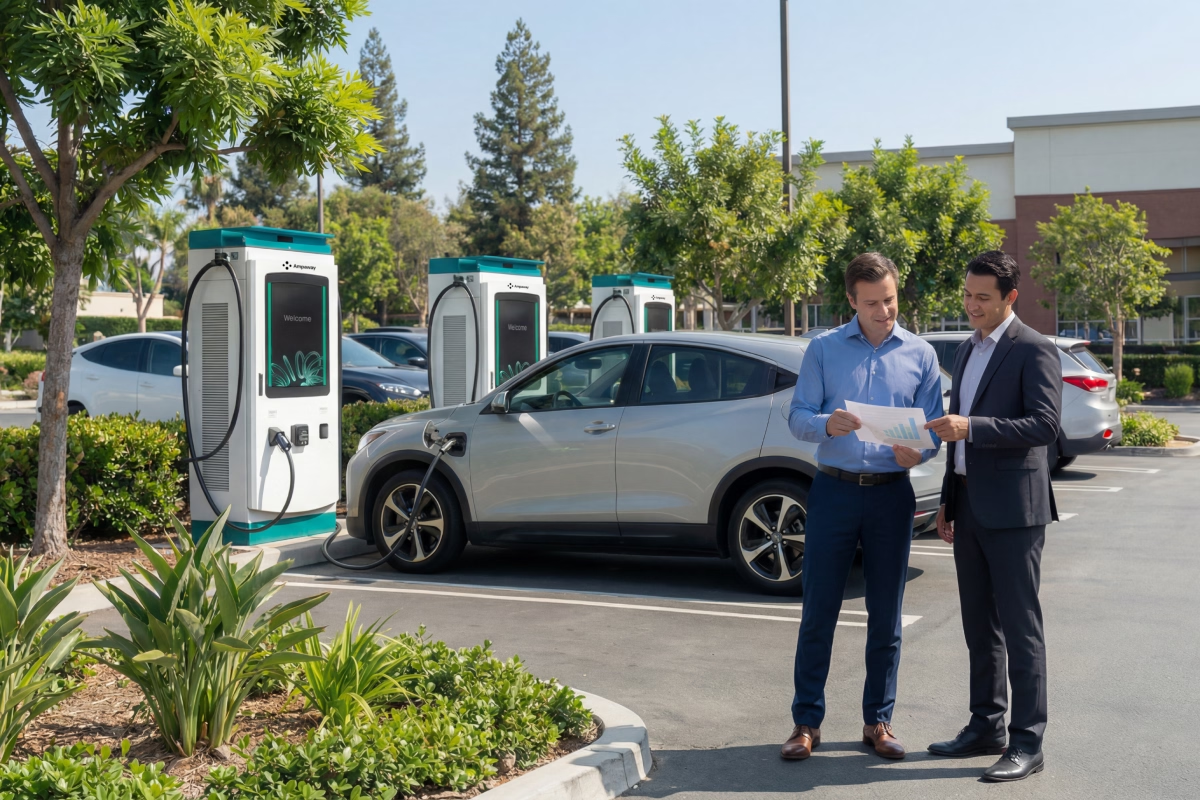
The permit application itself comes down to a specific set of documents, separate from the code review covered earlier. The exact list can vary by jurisdiction, but most permitting offices ask for some version of the following.
- Site plans: A site plan shows the physical layout of the project, including where each charger will be located, how many parking spaces are affected, and the path between the electrical panel and the charging area.
- Electrical drawings and load calculations: These typically include one-line diagrams, panel schedules, and a load calculation confirming that the building's existing electrical load, combined with the new chargers, stays within the panel's rated capacity.
- Equipment specifications: Manufacturer cut sheets and listing documentation, such as UL certification, for the specific charger models round out most applications. These confirm the equipment meets recognized safety standards before it's approved for installation.
How does the EV charger inspection process work?
With the permit issued and documents approved, the project moves into physical inspection, which typically happens in two stages before a charger can be put into service.
Rough inspection
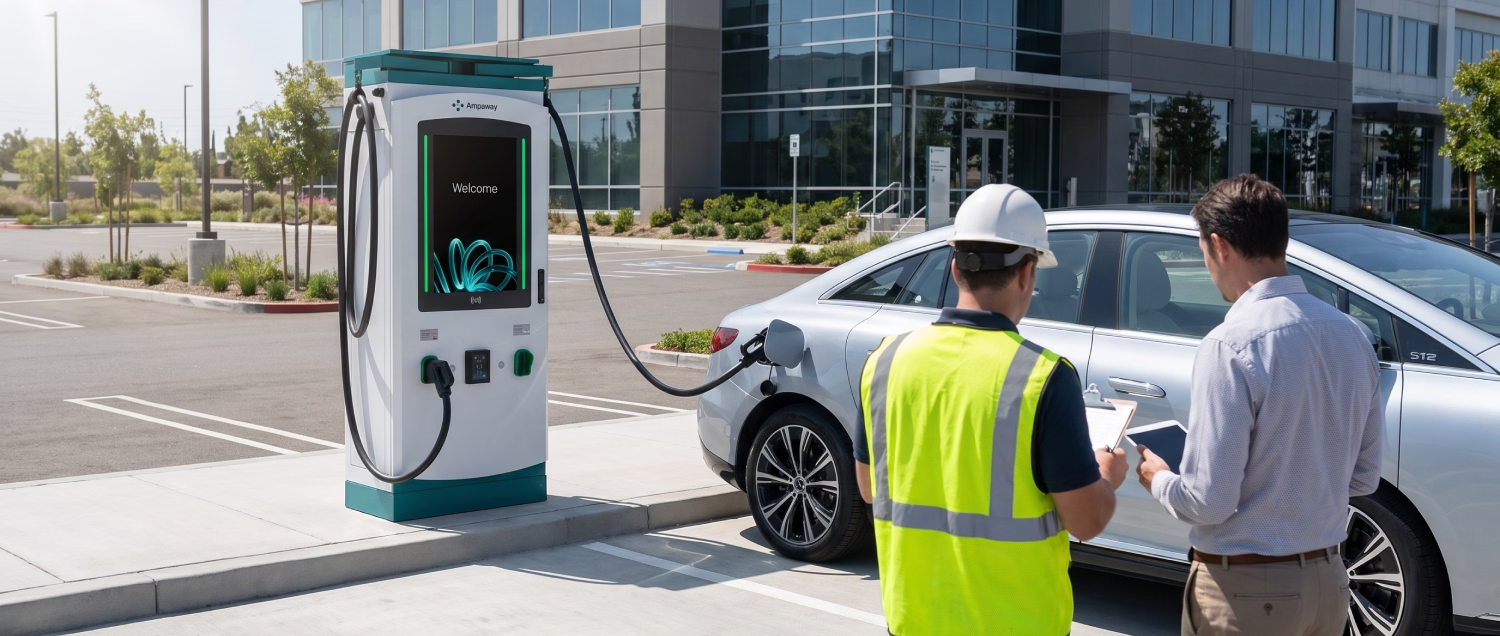
This inspection happens before walls are closed up or conduit is buried, while the wiring is still accessible. The inspector reviews conduit routing, wire sizing, grounding connections, and breaker placement against the approved plans.
Final inspection
The final inspection takes place after the charger is mounted and energized. The inspector confirms the unit is properly labeled, required protective features are functioning, and the completed installation matches what was approved in the permit.
Common reasons inspections fail
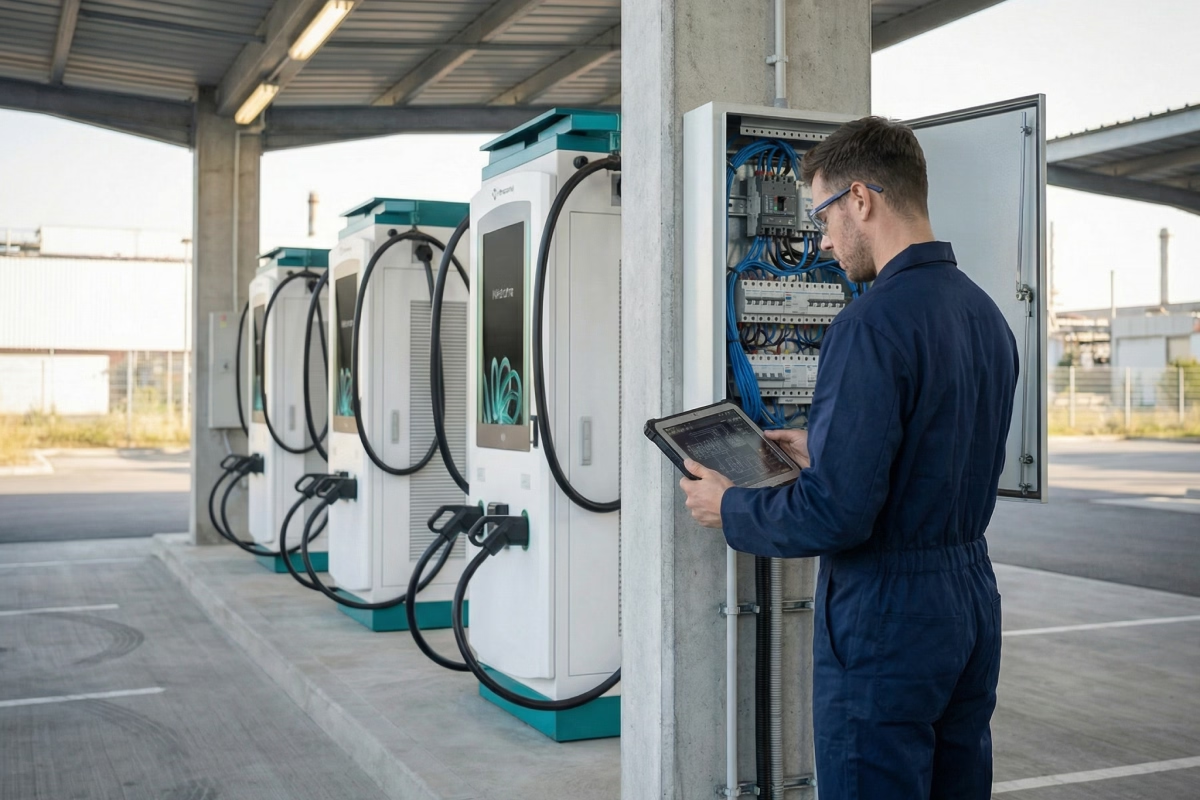
Inspections most often fail because of missing or incorrect labeling, grounding issues, incorrect breaker sizing, a permit not posted at the job site, or accessibility clearances that don't meet code. Most of these issues trace back to details in the rough-in work rather than the charger itself, which is why getting that stage right the first time matters more than the equipment choice.
What can delay permit approval or installation
Timelines vary widely depending on the jurisdiction, and there are several recurring issues that tend to extend a project's timeline more than any specific step in the process itself.
- Incomplete applications: Missing load calculations, an outdated site plan, or a mismatch between what's on paper and what's on site are among the most common reasons an application gets sent back for revisions, adding another review cycle to the timeline.
- Electrical capacity issues: If a building's existing panel doesn't have enough spare capacity for the new chargers, the project may need a load study or a panel upgrade before permitting can move forward. This can lead to delays in commercial and multifamily charging projects.
- Utility coordination: Larger installations sometimes require a formal interconnection review from the utility, separate from the local permit. These reviews can take longer than the permitting process itself, especially if the utility needs to confirm the transformer serving the property can support the added load.
- Site-specific construction challenges: Parking structures, easements, and older buildings with non-standard electrical layouts can introduce complications that a straightforward, newer construction project would not encounter.
How to prepare for a smooth installation
A few steps taken early in the process tend to prevent most of the delays covered in the previous section.
Assess your site's electrical infrastructure
Getting a load study done before committing to a specific number of chargers gives a realistic picture of what the existing panel can support and whether any upgrades will be needed. Doing this before submitting a permit application, rather than after, avoids a resubmission cycle later.
Work with experienced EV charging professionals
Contractors who are already familiar with a given jurisdiction's permitting office and code amendments tend to move through the process with fewer revisions and shorter review cycles. This familiarity often matters more to the timeline than the size or complexity of the project itself.
Plan for future expansion
Designing the initial installation with room to add more chargers later, whether through additional conduit capacity or a system that manages power across chargers dynamically, can reduce the need to repeat the full permitting process again as demand grows. Properties that plan for this upfront can cut costs on each additional phase than those that treat every expansion as a separate project.
Why choosing the right installation partner matters
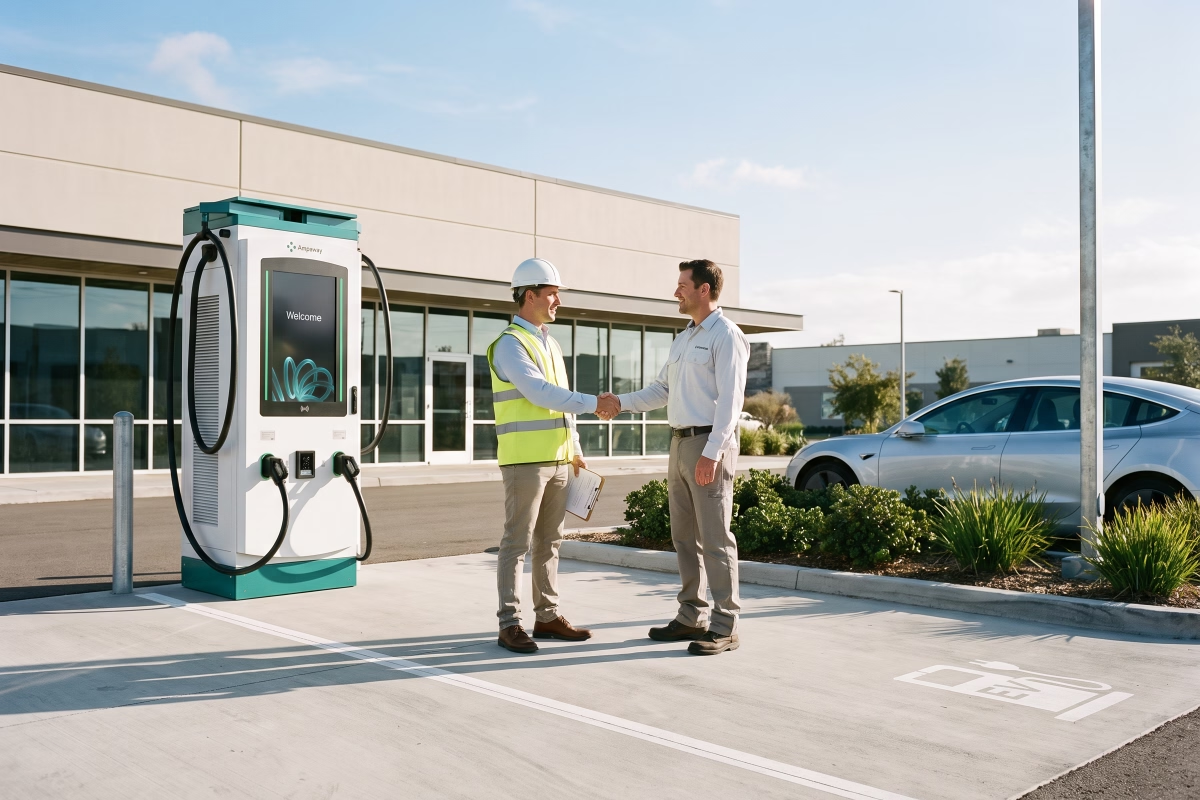
The parties involved in a single installation, contractor, utility, permitting office, and inspector, rarely coordinate with each other directly. How well a project moves through that process often depends less on the chargers themselves and more on who is managing the relationships between those parties.
Coordinating permits and inspections
When one team manages the permit application, utility coordination, and inspection scheduling, there is a single point of contact responsible for keeping the project on track, rather than a property owner or project manager having to follow up with separate contractors and offices individually. This reduces the number of handoffs where information can get lost or delayed.
Ensuring long-term compliance
Code requirements and utility policies can change after an installation is complete, and future maintenance or expansion work sometimes triggers its own permitting or inspection requirements. A partner, such as Ampaway, who stays involved after the initial installation is better positioned to catch these requirements before they become compliance issues, rather than leaving the property owner to track code changes on their own.
To Conclude
Permits confirm a project is authorized, codes define how the work needs to be done, and inspections verify it was completed correctly. Timelines and specific requirements vary by jurisdiction, but the underlying process, from application through final inspection, follows a similar shape across most commercial and multifamily projects. Property owners and project managers who understand this process upfront, and who work with contractors familiar with local permitting offices, tend to move through it with fewer delays. When it comes to checking off EV charger installation requirements, Ampaway manages this process end to end for property owners, from the initial permit application through utility coordination and final inspection.