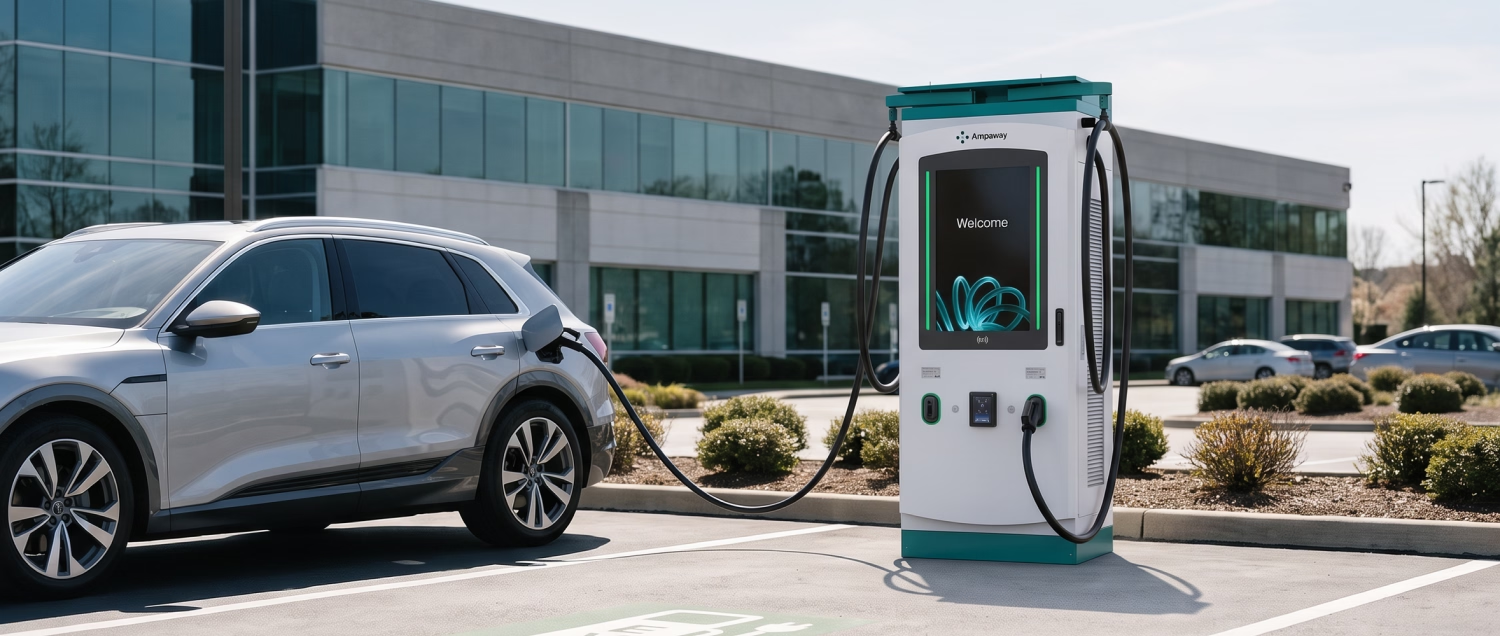

When a building installs EV chargers, the payment system decides how money actually moves. It controls who can charge, how usage is measured, and how owners get paid for the electricity drivers use. Get it wrong, and you end up chasing reimbursements or quietly absorbing energy costs you meant to recover.
An EV charging payment system also works differently from paying at a gas pump. Fuel is one transaction at a fixed point. Charging happens over time, often unattended, sometimes across dozens of sessions a day on the same equipment. The system has to identify the driver, measure the energy, price it, and settle payment with no one at the charger to oversee it.
This guide covers how that process works, the payment methods drivers use, the pricing models providers offer, and what to look for before signing with a provider.
What is an EV charging payment system?
An EV charging payment system is the layer that handles money between the driver and the property. It verifies access, tracks how much energy each session uses, applies the right price, and routes payment to the right account. Without it, a charger is an electrical outlet with no way to bill the person using it.
The core parts are charger hardware that meters energy, software that records sessions and applies pricing, a payment processor for card and wallet transactions, and a reporting layer that shows owners what each charger earned. The same EV charging software separates revenue from operating costs, so the accounting stays clean.
How the EV charging payment process works
Most EV charging payment systems follow the same four steps, even when the interface differs from one provider to the next.
1. Driver authentication and charger access
The system first confirms who the driver is through an app login, an RFID card, or a tap of a payment card at the charger. This ties the session to an account so the right person gets billed.
2. Charging session authorization
Once the driver is identified, the system confirms the account is valid, verifies a payment method, and unlocks the charger. In access-controlled buildings, it also checks that the driver is allowed to use that specific charger.
3. Energy usage tracking and billing
The charger meters energy in real time, and the platform records kilowatt-hours, session length, and the applicable rate to calculate the cost. This is the part of the EV charging station billing system that sets exactly what the driver owes and what the property earns.
4. Payment processing and transaction completion
When the session ends, the system finalizes the charge through the connected processor. The driver gets a receipt, the transaction is logged, and the owner's revenue share is recorded, with no manual work from the property.
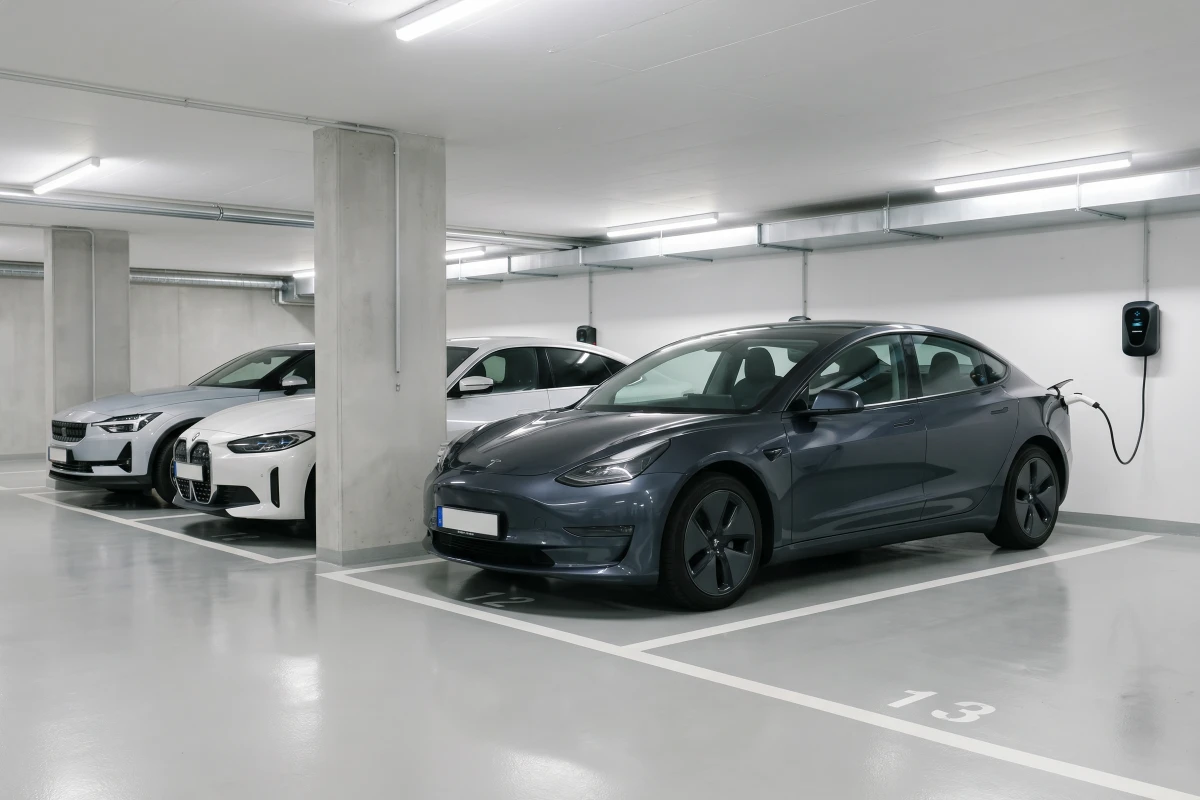
Common EV charging payment methods
Drivers expect different EV charging payment methods depending on where they charge, and the right mix depends on who uses the property and how often.
Credit and debit card payments
Direct card payment lets a driver tap or insert a card and start a session without an account. This matters most in retail and visitor settings, where you cannot expect every driver to register in advance. Drivers can also add a credit or debit card in the app as a payment method.
Mobile wallets and contactless payments
Apple Pay, Google Pay, and similar wallets let drivers pay from a phone, which removes the need to enter card details in the app.
Charging network apps
Most regular drivers pay through the provider's app: sign up once, store a payment method, and start sessions by scanning the charger. App-based payment also gives owners cleaner session data, since every charge ties back to an account.
RFID cards and membership accounts
RFID cards work well where the same drivers return daily. A resident taps a card to start charging, and the cost is billed to their account, which suits EV charging for apartments where tenants want a quick, repeatable way to charge.
Fleet and corporate charging accounts
Fleets and employers often run charging under a single corporate account, billing the company rather than the individual driver. This is common in workplace EV charging solutions, where the employer covers or subsidizes charging for staff.
Payment models used by EV charging providers
Pricing is separate from the payment method. A driver can pay by app or card under any model below, and the model you choose shapes revenue and how fair the cost feels.
Pay-per-kWh pricing
Drivers pay for the exact energy they use, measured in kilowatt-hours. This is the most transparent model and the one most residents and employees consider fair, since the bill matches consumption.
Time-based charging fees
Drivers pay by the minute or hour rather than by energy used, which can push them to move their car once charged and keep spaces open.
Subscription and membership plans
Drivers pay a recurring fee for charging access, often at a reduced per-session rate. This fits buildings where the same residents charge regularly and want a predictable monthly cost.
Dynamic and peak-time pricing
Rates shift with demand or time of day, rising during peak hours. This helps manage load and can lower costs for drivers who charge overnight, when electricity is cheaper.
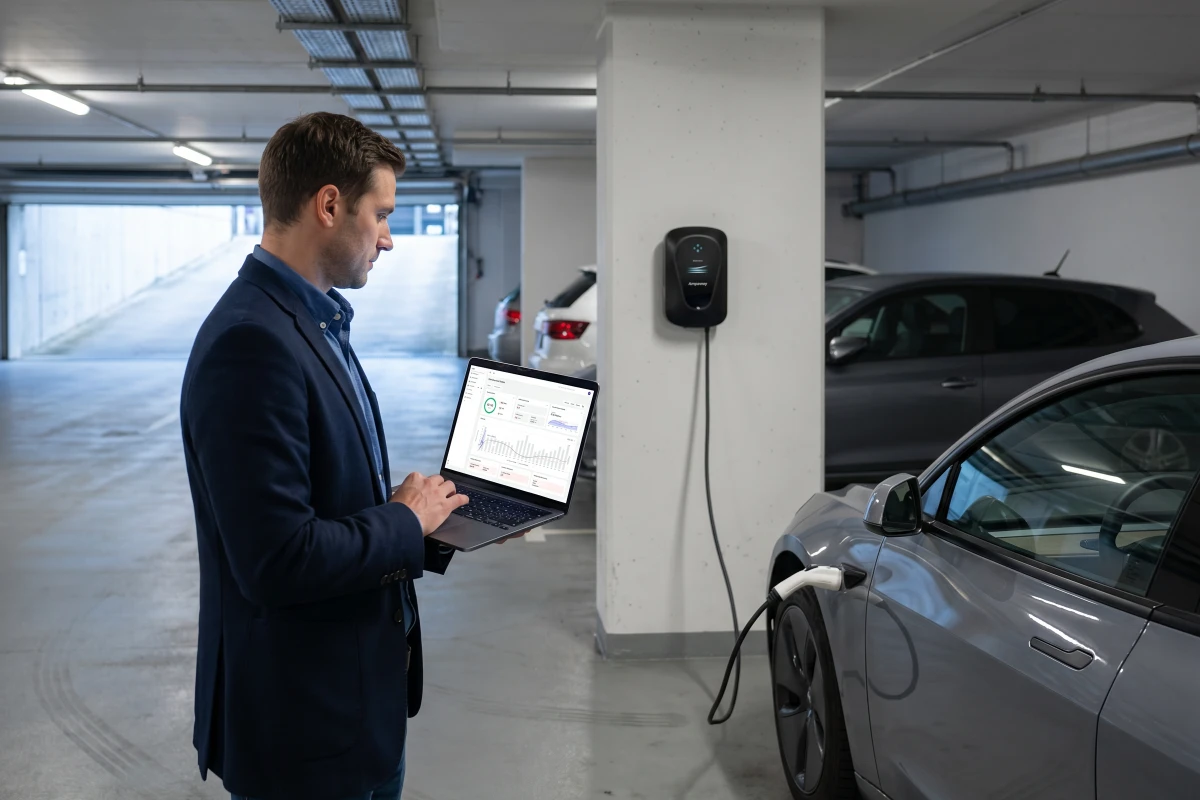
Features of modern EV charging payment platforms
Beyond moving money, a capable platform reduces the work that would otherwise land on the property owner.
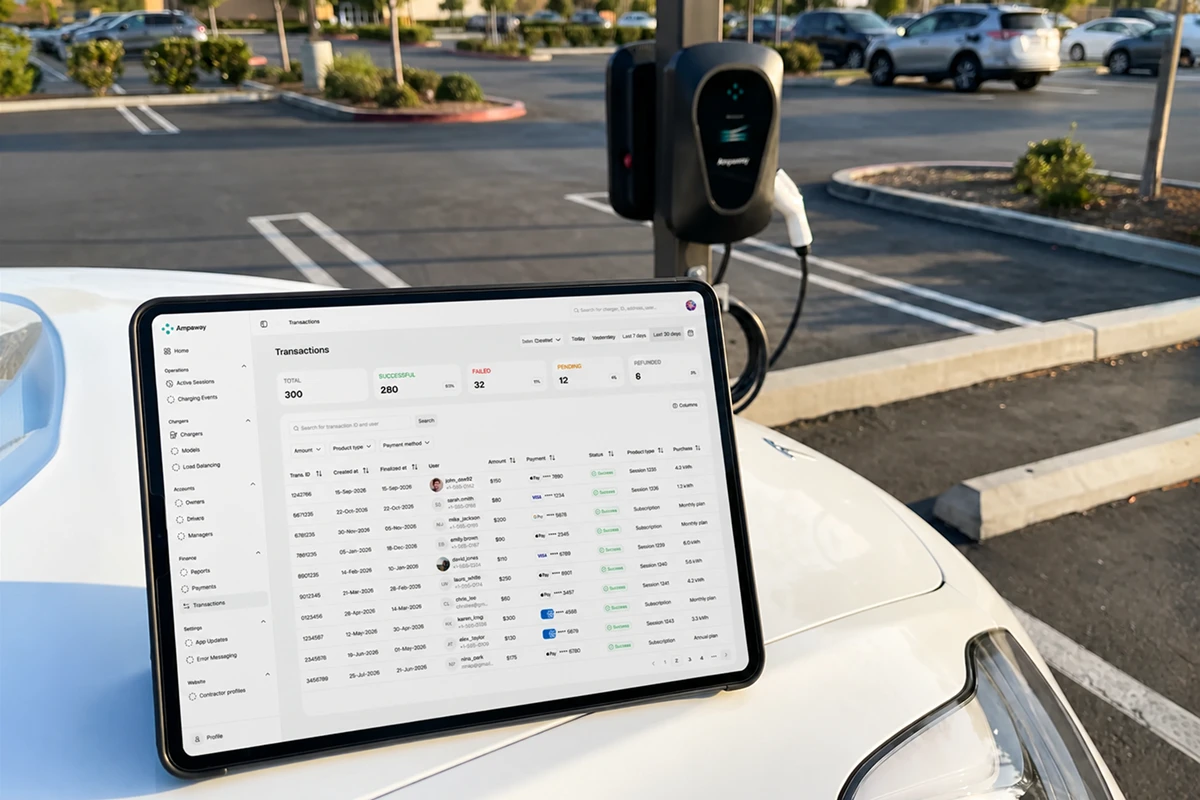
Automated billing and invoicing
The platform bills each driver and issues receipts without anyone reconciling charges by hand, removing the monthly task of working out who owes what.
Real-time usage tracking
Owners see energy use and revenue as it happens, by charger and by session, which turns charging from a guess into a measurable asset.
Remote management and reporting
Pricing changes, access rules, and reports run from a dashboard rather than on-site, so owners managing several buildings get one view across the portfolio.
Multi-user account management
A single property often has tenants, employees, and visitors on the same hardware under different rules. A capable EV charging station billing system keeps these groups separate and bills each correctly.
Integration with property management systems
Some platforms connect charging revenue and resident accounts to existing property software, so charging fits the systems an owner already uses.
Security and compliance considerations
Since charging involves card data and recurring payments, the system has to meet the same standards as any other payment platform.
Secure payment processing standards
Reputable platforms process payments through PCI-compliant providers, so card data is encrypted and handled to industry standards. Owners should confirm this rather than assume it.
User data protection and privacy
Driver accounts hold personal and payment information, so the platform should store and handle that data in line with privacy regulations.
Fraud prevention and transaction monitoring
Good systems watch for failed payments, unusual activity, and unauthorized access attempts, protecting both drivers and the revenue the property is counting on.
What property owners should look for in an EV charging payment system
The features matter, but a few practical questions separate a system that supports your property from one that creates ongoing work.
Ease of use for residents and guests
Drivers should be able to start charging quickly, whether they are residents or one-time visitors. A confusing payment flow leads to support calls that usually land on the property manager.
Flexible pricing controls
You should be able to set and adjust pricing yourself, by charger or user group, without filing a request with the provider. Energy costs change, and your pricing should keep up.
Scalability for future EV adoption
EV ownership keeps rising, so the system should support more chargers and drivers without a rebuild. A platform that handles ten chargers should handle fifty when demand grows.
Transparent reporting and revenue tracking
You should see what each charger earns and how your revenue share is calculated on the platform at any time. Reporting that you have to request is reporting you cannot rely on.
Why integrated payments matter for EV charging success
When payment is built into the charging system instead of bolted on, the operation runs with less friction across the property.
Better user experience
Drivers get one way to access, charge, and pay, rather than juggling separate apps or accounts. That means fewer failed sessions and fewer support calls landing on the property manager.
Reduced administrative workload
Property managers avoid tracking sessions and chasing payments by hand, since billing and receipts run automatically.
Accurate cost recovery
Every kilowatt-hour is metered and billed to the right account, so owners recover energy costs instead of quietly absorbing them.
Support for long-term EV adoption
As more tenants and customers drive EVs, an integrated system adds chargers and users without a rebuild, so the property keeps pace with demand.
The provider's structure matters here, too. When one company owns the chargers, the software, and the service, payment issues get resolved by the same team that runs everything else. For EV charging for businesses and residential buildings alike, that single line of accountability keeps billing accurate and downtime short.
Ampaway builds and operates its own management platform and partners with major payment processing companies. Drivers sign up with a phone number, scan a charger, and start charging. Owners get a dashboard showing usage and revenue across every site, with their share calculated automatically and visible at any time. Since Ampaway covers the hardware, software, and service, owners earn from charging without upfront cost and without running the payment system themselves.
Choosing the right EV charging payment solution
The right system gives drivers flexible ways to pay, bills them automatically, and shows owners exactly what their property earns. It should be straightforward for residents and guests, and able to grow as more drivers plug in. Before choosing a provider, confirm who owns the software, how revenue is reported, and who is responsible when a payment or a charger fails. The clearer those answers, the less risk remains with you.
Ampaway combines the best EV charging management software, integrated payment processing, real-time reporting, and ongoing operational support in a single platform, so you can get full visibility into revenue without the burden of managing the system yourself.