
EV adoption in the United States is growing steadily, and the gap between electric vehicles on the road and available charging infrastructure keeps widening. That gap is where the business opportunity sits.
The models for how to invest in EV charging stations vary widely, from owning and operating chargers directly to partnering with a provider under a revenue-sharing arrangement. Revenue can come from session fees, subscriptions, advertising, and energy management programs. What separates a profitable investment from a poor one usually comes down to location, utilization, electricity costs, and who handles operations.
Why EV charging is becoming a major investment opportunity
EV adoption is increasing every year
For anyone investing in EV charging stations, the market context matters. The US EV market reached 10% of all new light-duty vehicle sales in 2024, up from just 2% in 2020. That shift happened in four years. Cumulatively, over 8 million plug-in electric vehicles have been sold in the United States as of early 2026. As more of those vehicles hit the road, the pressure on charging infrastructure grows with them.
The significance for investors is less about the cars themselves and more about what they need. Every EV on the road requires regular access to a charger, and most drivers want that access close to where they live, work, or shop. This creates consistent, location-based demand, which is the kind of demand that supports a long-term business.
Governments and cities are supporting charging expansion
Federal investment in charging infrastructure has been substantial. The National Electric Vehicle Infrastructure program, passed under the 2021 Bipartisan Infrastructure Law, allocated $5 billion from 2022 through 2026 to establish charging networks across targeted corridors in all 50 states. Separately, the $2.5 billion Charging and Fueling Infrastructure grant program provides additional funding to deploy publicly accessible EV charging in communities and along corridors.
This public investment does two things for private investors. It validates the market and, in many cases, directly reduces the cost of entry through grants, rebates, and cost-sharing arrangements that cover a meaningful share of installation expenses.
Businesses and property owners are under pressure to offer charging
The pressure to add EV charging is coming from tenants, employees, and customers. While the vast majority of EV charging in the United States takes place at home, less than 5% of that home charging occurs in multifamily buildings, despite the fact that roughly a third of US households live in apartments or condominiums. Property owners who understand the benefits of EV charging stations for business early are in a better position to capture that demand before their competitors do. That gap between where people want to charge and where charging actually exists is one of the clearest business opportunities in the electric car charging station market today.
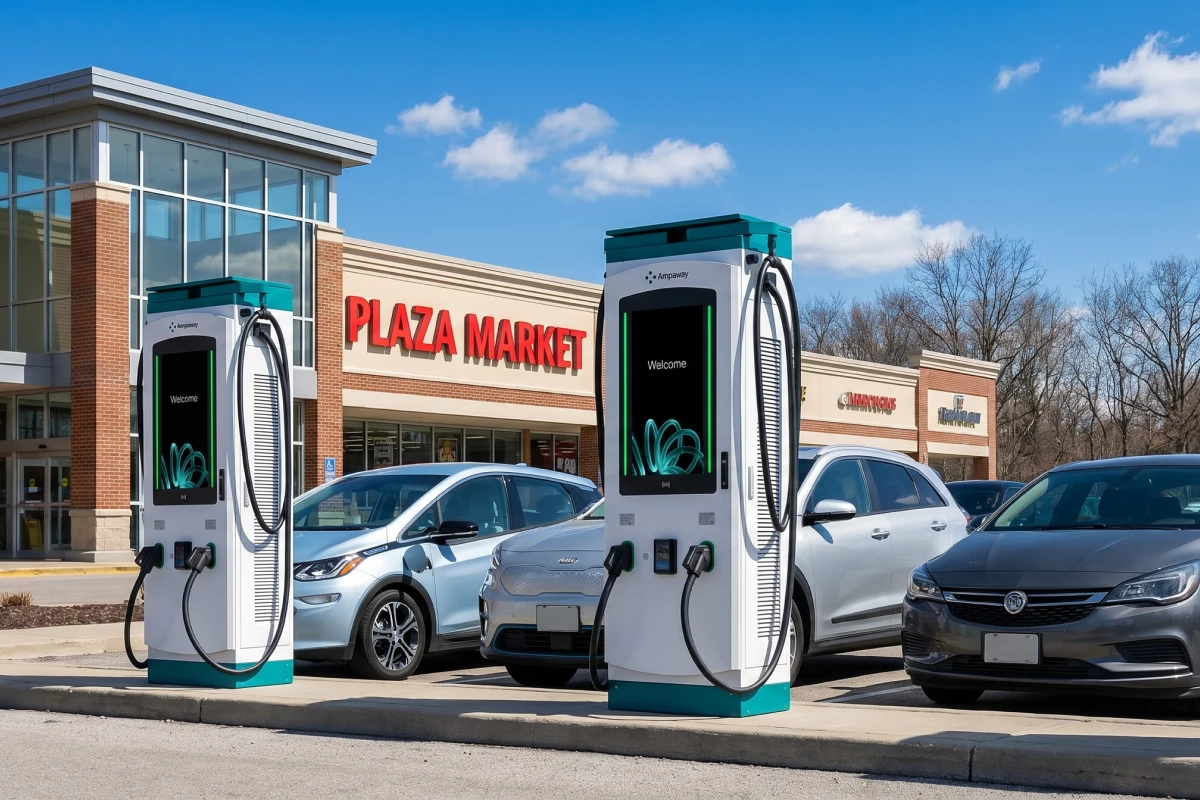
Different ways to invest in EV charging stations
There is no single way to invest in electric car charging stations. The right approach depends on how much capital you want to deploy, how involved you want to be in daily operations, and what kind of return profile fits your goals.
Owning and operating charging stations
The most direct approach is purchasing and operating chargers yourself, either on property you own or by leasing space from a site host. You control pricing, branding, and the customer experience, and you keep all the revenue. The trade-off is that you take on the full cost of hardware, installation, software, and maintenance, along with the operational responsibility when something goes wrong. This model works well for investors with real estate access and a clear view of local demand, but it requires more active management than most passive investment structures.
Investing through commercial real estate
Property owners can treat EV charging as an income-producing layer on top of existing assets. In a typical arrangement, the site host provides the location and access to drivers while the charge point operator manages the platform, payments, uptime, and customer support. The property owner earns a share of revenue without carrying the operational burden.
Adding charging infrastructure to existing parking areas is one of the more practical ways to generate a new income stream from an asset that already sits on your books, and the operational setup is more accessible than most property owners expect when they first look into EV charging for businesses.
Partnering with EV charging solution providers
Some providers fully fund installation in exchange for a long-term contract to operate chargers on-site and share revenue with the property owner. The appeal is zero upfront capital. The risk is partner quality, since the service level they maintain directly affects what you earn and how tenants or customers experience the amenity.
Investing in EV charging networks and public infrastructure
Investors wanting broader market exposure can acquire equity in charging companies or develop multi-site public charging locations. This path involves higher capital requirements and longer timelines to profitability, but positions investors at the infrastructure layer rather than a single property level.
Franchise and turnkey EV charging business models
Some providers offer structured models that bundle hardware, software, installation, and ongoing support into a single arrangement. EV charging franchising is relatively new in the US, but turnkey models through established providers have been available longer and can reduce execution risk for those looking to start an EV charging business without extensive industry experience.
How EV charging stations make money
Charging session fees
Drivers pay per kilowatt-hour, per minute, or a flat session fee, and the margin comes from the spread between what the operator pays the utility and what the driver pays at the charger. DC fast charging is priced higher than Level 2, reflecting both the speed delivered and the higher infrastructure costs. Volume is what makes the model work. Consistent utilization at a well-chosen location produces a fundamentally different return than a charger running a handful of sessions per day.
Subscription and membership programs
Monthly plans give drivers discounted or unlimited charging for a recurring fee, creating income that does not fluctuate with daily session counts. This works well in multifamily and workplace settings, where the same drivers return regularly and have a clear reason to commit to a plan.
Advertising and retail partnerships
Chargers in high-traffic locations carry a secondary revenue opportunity through the screens built into modern hardware. In retail and hospitality settings, this works less as a standalone revenue line and more as a way to offset the cost of free or discounted charging, which drives longer visits and higher in-store spending.
Energy management and grid services
Operators with smart charging systems can participate in utility demand response programs, reducing consumption during peak hours in exchange for credits or lower rates. More advanced bidirectional setups allow energy stored in connected vehicles to flow back to the grid when demand is high, though this remains more common in fleet applications than standard commercial charging.
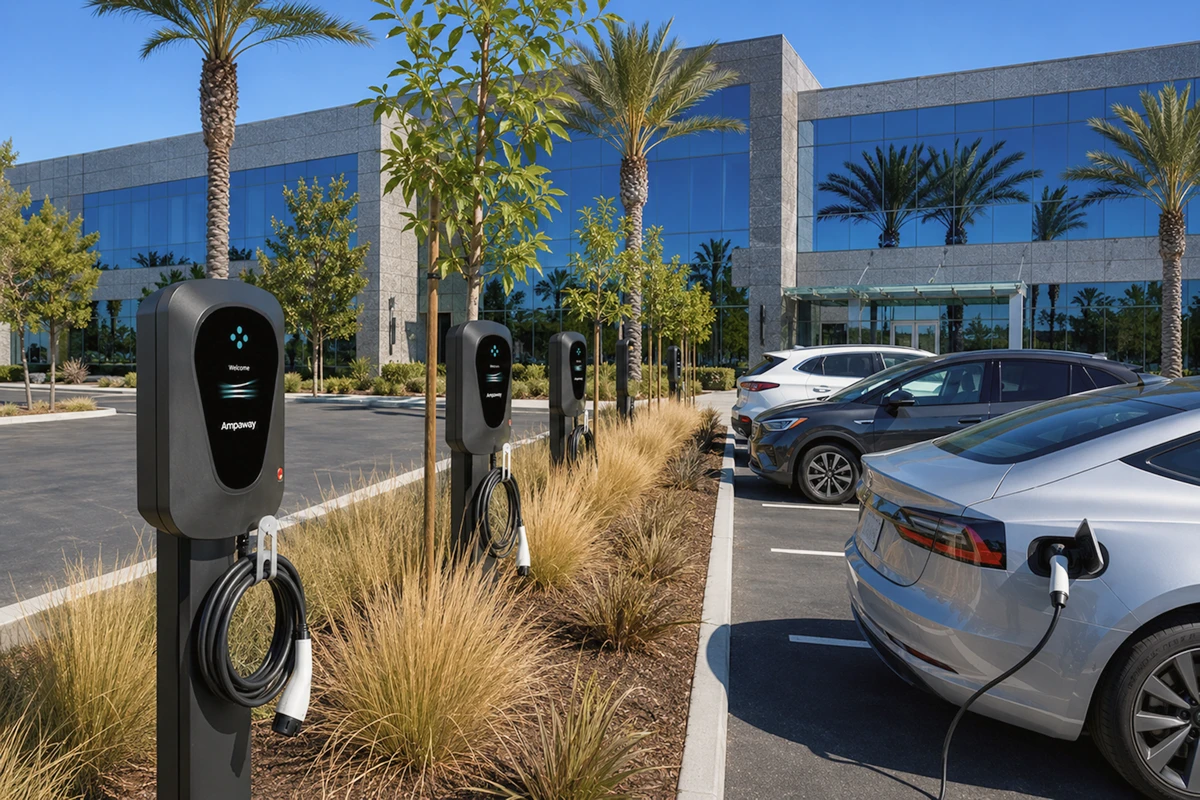
What determines EV charging profitability
The performance of any EV charging station investment comes down to where it sits, how it's priced, and who operates it.
Location and traffic volume
The locations that work best share one characteristic: drivers are already there for another reason and have time to spend while the car charges. A high-volume location full of five-minute stops is a poor fit. A quieter location where people regularly spend 30 to 60 minutes is often more valuable than raw foot traffic suggests.
Charger type and charging speed
Level 2 units suit locations where vehicles park for extended periods. DC fast chargers support more sessions per day but cost significantly more and carry higher utility demand charges. Matching charger capability to how long drivers actually stay is more useful than defaulting to whichever option charges fastest.
Electricity costs and utility infrastructure
Utility rates vary considerably across the US, and demand charges can be harsh for DC fast charging where a single busy period affects the entire month's bill. A building requiring a panel upgrade or new utility connection adds costs that need recovering before the investment generates real returns, making the full scope of EV charger installation requirements one of the more important things to assess before committing to a site.
Utilization rates and customer behavior
Utilization rate is the metric most directly tied to revenue. Most commercial locations operate well below the levels needed for strong returns, particularly where EV adoption is still in earlier stages. Locations that offer reliable hardware, convenient access, and a simple payment experience tend to build utilization steadily. Those that treat charging as an afterthought stay underutilized.
Ongoing maintenance and operational costs
A station that is frequently out of service is not just a lost revenue opportunity. It erodes the trust that drives repeat usage. Operators who manage service in-house resolve issues faster and at lower cost than those relying on third parties. For property owners evaluating partners, the service model matters as much as the hardware itself.
Best locations for EV charging investments
Not every property is equally suited for EV charging. The locations that tend to perform best are those where vehicles park for predictable durations, drivers return regularly, and the property owner has an incentive to offer charging as part of the overall experience.
Apartment and condominium properties
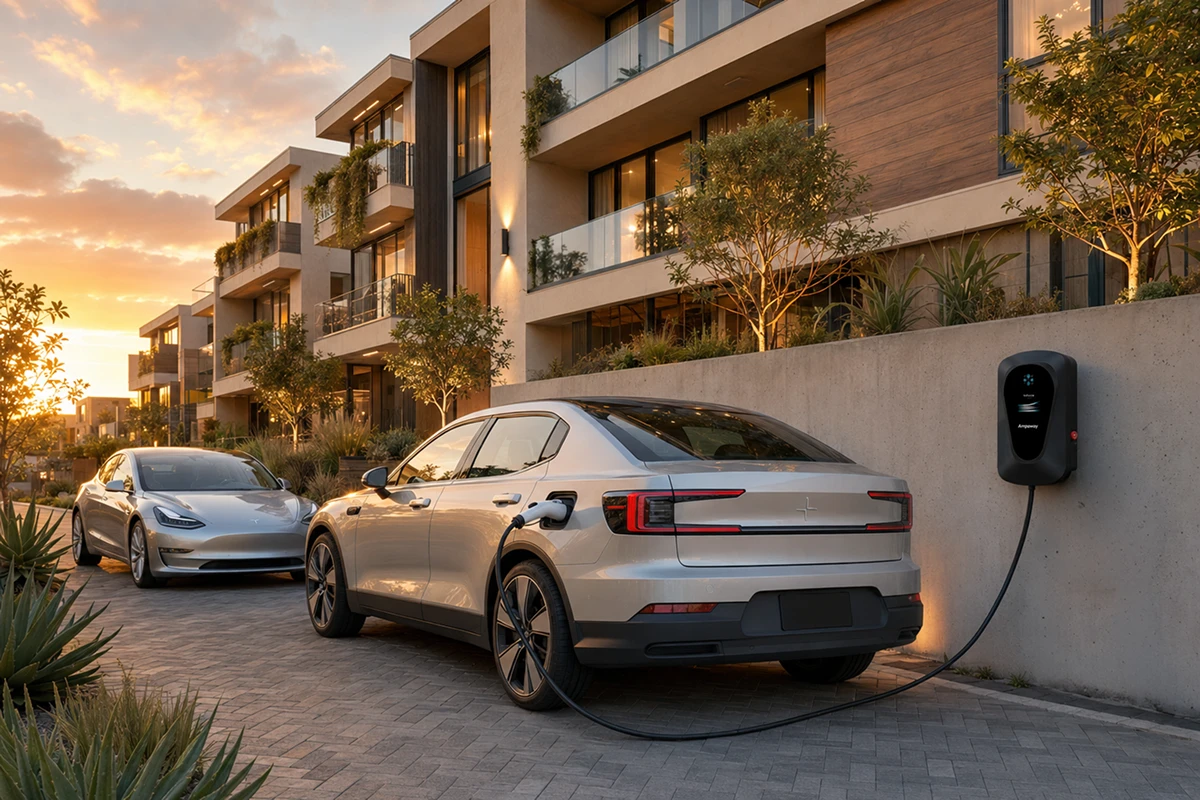
Residential buildings are among the strongest locations for EV charging investment. Tenants charge overnight, Level 2 hardware matches actual behavior well, and the same drivers return every day. The demand is consistent and comes from people who genuinely need the amenity rather than stumbling across it. As more renters and condo owners drive EVs, buildings without charging are increasingly at a disadvantage when competing for quality tenants.
Workplaces and office buildings
Employees arrive with a partially depleted battery and spend several hours on-site, making workplace charging one of the more predictable utilization environments available. Beyond session revenue, employers increasingly use EV charging to attract and retain staff, which gives property managers additional leverage when making the case for installation.
Retail centers and shopping destinations
Retail works well when the average visit is long enough to deliver a meaningful charge. Grocery stores, big-box retailers, and mixed-use centers are better fits than convenience-oriented locations where customers are in and out quickly. Customers who plug in have a reason to stay longer and spend more, which means charging contributes to overall property performance even when session margins are thin.
Hotels and hospitality properties
Guests park overnight and expect amenities, making hotels a natural fit. A driver checking in with a low battery who finds a charger available has a noticeably better experience than one planning around a public station nearby. For operators, EV charging is becoming a factor in booking decisions, particularly among business travelers who drive EVs regularly.
Fleet depots and logistics hubs
Commercial fleets offer some of the most reliable utilization profiles in the market. Vehicles return to the same location at predictable times and the operator controls the charging schedule. For property owners with large paved areas and adequate electrical capacity, fleet charging is worth considering as a stable, contract-based revenue stream rather than a consumer-facing one.
Challenges and risks investors should understand
EV charging is a genuine business opportunity, but it carries real risks worth understanding before committing capital. Most challenges come down to cost, timing, and operational execution.
High upfront infrastructure costs
Hardware, installation, electrical work, and permitting all add up before a single session is charged. The gap between a straightforward Level 2 installation and a multi-port DC fast charging setup can be substantial, and properties requiring electrical upgrades push costs higher still. Investors who underestimate this side of the budget often find the timeline to recoup their outlay is longer than projected, particularly where utilization builds slowly.
Technology changes and future-proofing concerns
Charging speeds, software platforms, and grid integration capabilities continue to develop. The US market has largely consolidated around a single connector standard following Tesla's NACS format being adopted across major automakers, which reduces some compatibility risk. Even so, investors locking into specific hardware today should consider whether their infrastructure can be upgraded or expanded without replacing everything from the ground up.
Utilization uncertainty in emerging markets
Even a well-chosen location takes time to build consistent utilization. EV drivers develop habits gradually, and a new station often runs below expectations in its early months regardless of how suitable the site is. In markets where EV adoption is still in earlier stages, that ramp-up period can stretch longer than projected. Investors who plan for a slower build and size their costs accordingly are in a better position to stay patient while demand catches up.
Operational complexity
Running a charging operation involves more moving parts than the upfront investment suggests. Hardware needs monitoring, software requires updates, payment systems need to work reliably, and customer issues need fast resolution. Any weak point affects uptime, and uptime directly affects both revenue and reputation. Investors expecting a largely passive operation often find the day-to-day demands more significant than anticipated, particularly when service is handled through third parties.
How to build a successful EV charging business
The difference between a charging investment that performs and one that disappoints usually comes down to decisions made before the first charger goes in.
Start with a realistic site and demand assessment
Understand actual demand at a specific location before committing to anything. How many EV drivers use the property? How long do they stay? What does the existing electrical capacity support? The answers shape every subsequent decision, and skipping this step is where most underperforming investments begin.
Choose scalable infrastructure
Starting with fewer chargers and room to expand is more sensible than over-building for demand that may take years to materialize. Infrastructure that supports additional units without major electrical rework keeps future expansion costs manageable, and the choice of hardware matters more than most investors initially realize when evaluating best commercial EV charging solutions for a specific property type.
Focus on uptime and user experience
A station that works reliably every time builds the repeat usage that drives long-term revenue. Uptime depends on hardware quality and how quickly issues get resolved. User experience comes down to simple access, clear pricing, and a payment process that does not create friction. Neither requires sophisticated technology. Both require consistent attention.
Work with experienced EV charging partners
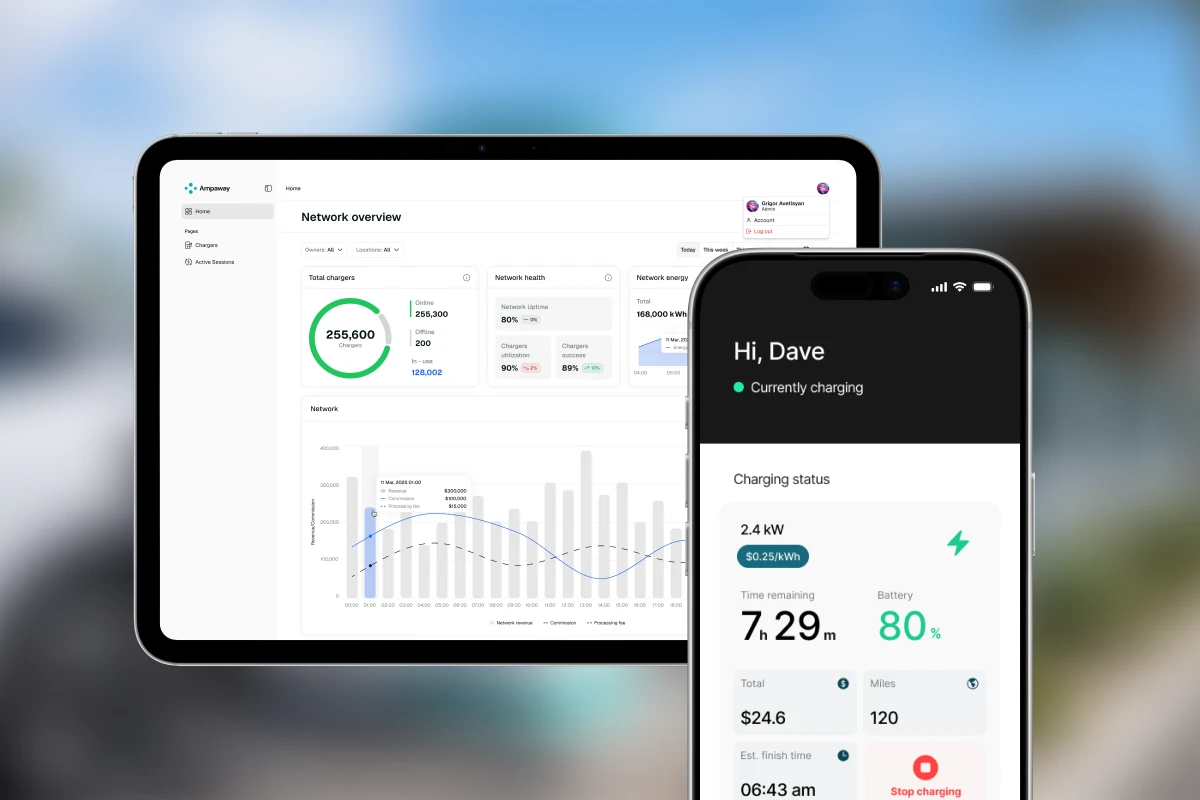
For most property owners, running EV charging is not a core competency. Partnering with a provider who handles installation, maintenance, and support in-house removes that burden. The key distinction is between providers who manage the full scope themselves and those who subcontract significant parts of the work. When something goes wrong, that difference determines how quickly it gets fixed and who covers the cost.
Is EV charging a good long-term investment?
The demand side of the equation is solid. EV adoption is growing, the infrastructure gap is real, and property owners across every segment are under increasing pressure to offer charging. The market conditions point in one direction.
Where investments run into trouble is execution. Poor location choices, hardware mismatched to actual behavior, and partners who subcontract service rather than owning it are the common threads behind charging investments that underdeliver.
If treated as a real business with careful site selection, scalable infrastructure, and a reliable operations model, EV charging has the potential to support a strong long-term return.
Build your EV charging business with the right infrastructure partner
The fundamentals of a profitable EV charging business are not complicated. The right location, hardware that matches actual driver behavior, reliable uptime, and a partner who manages the full operation without subcontracting the parts that matter most. What separates investments that perform from those that don't is usually how well those basics are executed on the ground.
Ampaway handles installation, hardware, software, and ongoing service in-house, so property owners can build a charging business without taking on the operational complexity that trips up most first-time investors. If you're evaluating your options, our team can walk you through what the numbers look like for your specific property.


