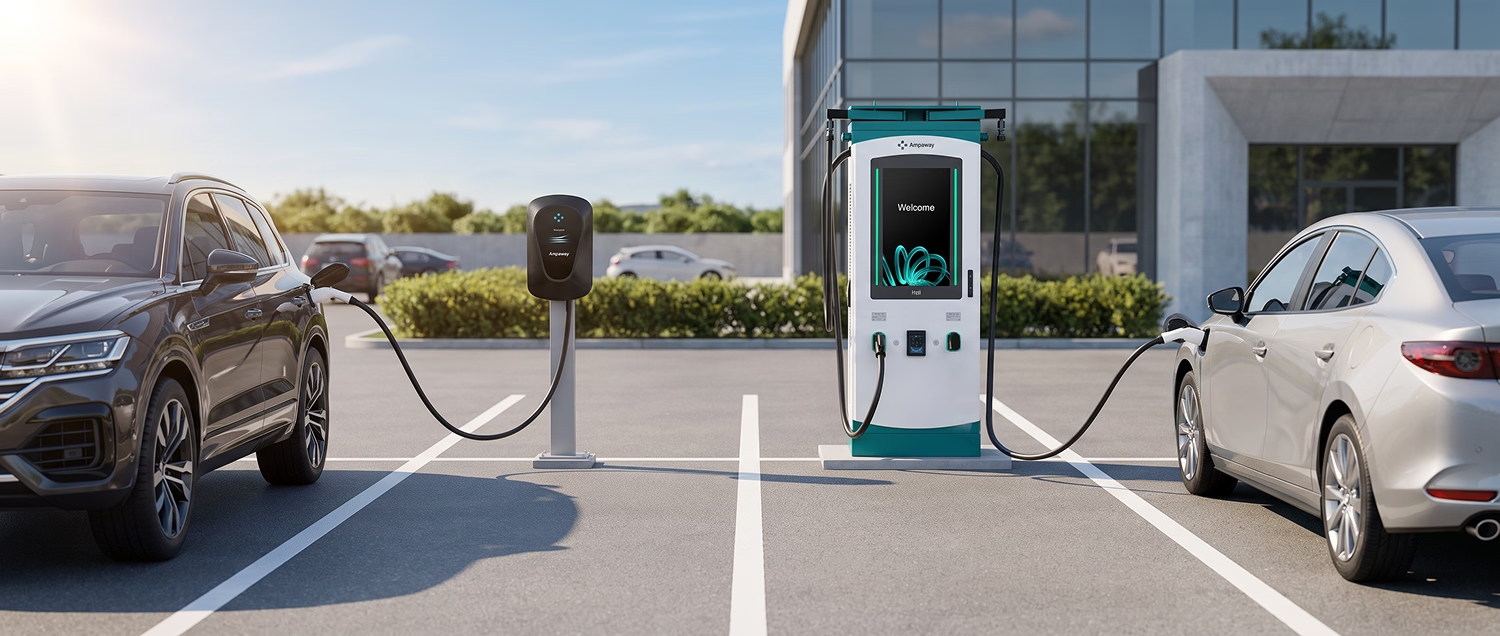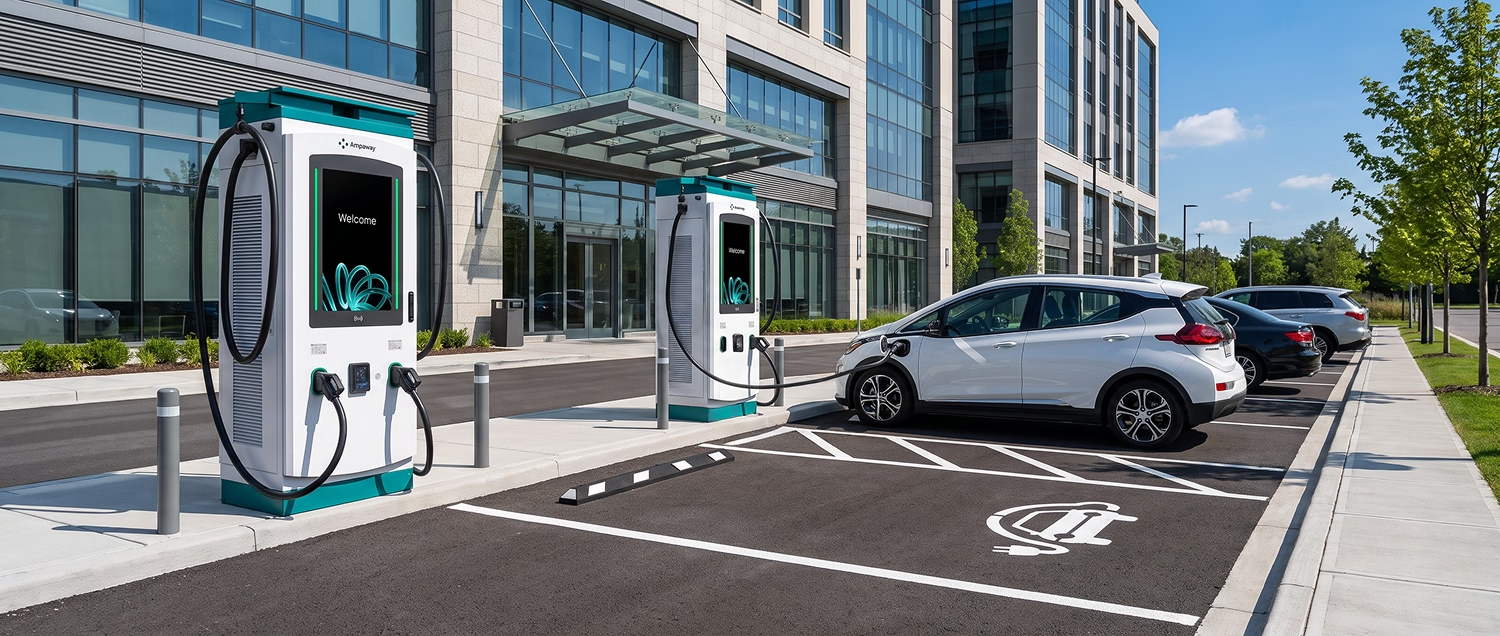
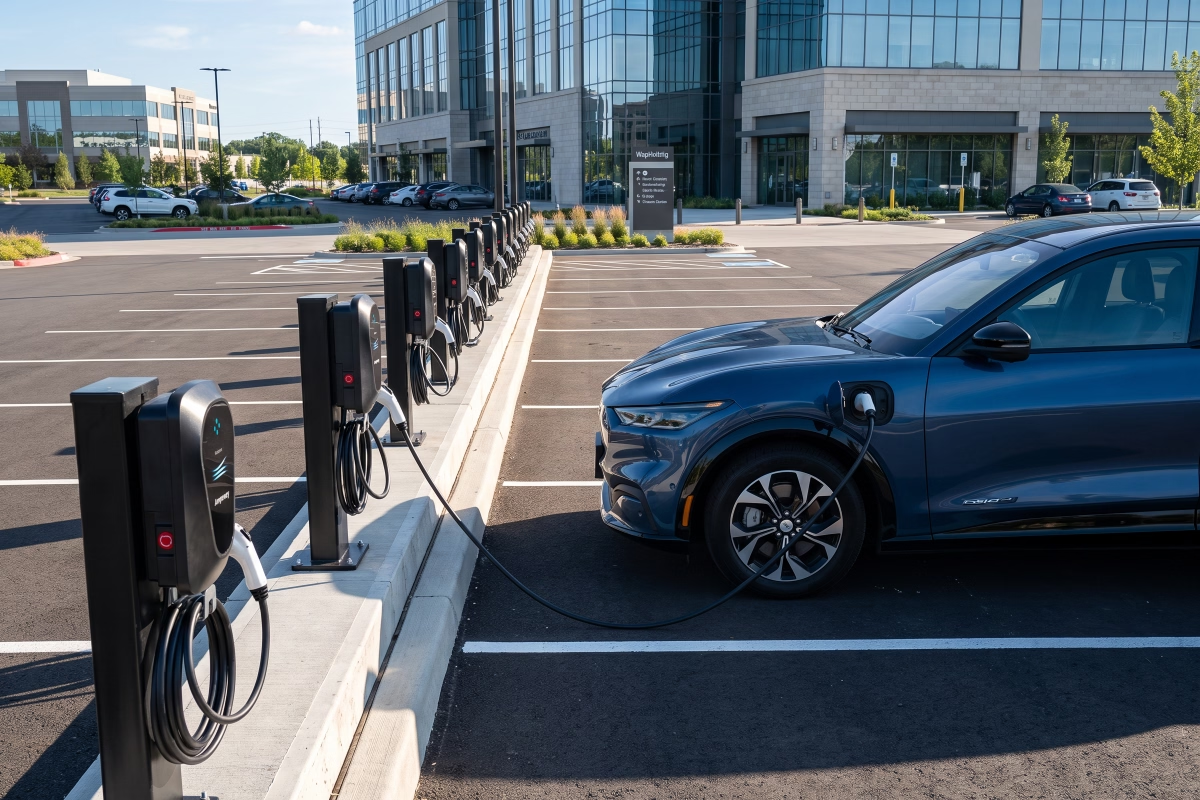
Property owners researching EV charging almost always start with the same question: what does this actually cost. It's a reasonable question, and also a hard one to answer with a single number, since EV charging station installation cost depends on the property itself, not just the charger you choose.
A small workplace lot with spare electrical capacity and a multifamily garage two levels below the panel are not the same project, even with identical hardware. This guide breaks down what drives that cost, what Level 2 and DC fast charging typically run, the expenses that get missed early on, and how to plan a budget that holds up once quotes start coming in.
What does it cost to install EV charging at a property?
The cost of EV charging station installation is really the sum of several separate line items rather than one price tag on a charger. Equipment, electrical work, labor, permitting, and setup all factor in, and depending on the property, one of those can end up costing more than the charger itself.
Typical cost ranges
The average cost of EV charging station installation for a standard Level 2 project, where the panel already has spare capacity and the parking spot sits close by, generally falls between $3,000 and $10,000 per port, covering hardware, labor, and permitting. DC fast chargers require much more power and infrastructure, so installed costs for those typically run from $30,000 to $100,000 or more per unit. These figures move up or down based on the property, and they’re more of a starting point for budgeting rather than a quote.
Why installation costs vary so much
Two properties can install the same charger model and end up with costs that differ by tens of thousands of dollars. The difference usually comes down to a few site conditions: how much spare electrical capacity the building has, how far the chargers sit from the panel, what the ground or pavement looks like along that path, and how much permitting and utility coordination the project requires. A site assessment is the only reliable way to know where a specific property lands, which is why the sections below walk through each of these factors individually.
What factors affect the EV charging installation cost?
Electric charging point installation cost isn't one number that applies across properties. It's the combined result of several variables, and understanding each one helps explain why two quotes for the same number of chargers can look so different.
Number and type of chargers
Cost scales with how many ports are being installed and how much power each one delivers. A single Level 2 charger for a small workplace lot is a modest project, while twenty ports across a multifamily garage involves considerably more planning and infrastructure. DC fast chargers add another layer, since their higher power output requires heavier electrical equipment than Level 2 charging.
Existing electrical capacity
This is usually the biggest single factor in total cost. Some properties already have enough spare capacity on their electrical panel to add several chargers with minimal work. Others are close to their limit and need a panel upgrade or additional transformer capacity before any chargers can go in, which can add tens of thousands of dollars before installation even begins. Neither situation should be assumed without an actual site assessment.
Distance from the electrical panel
Every additional foot of cable and conduit between the panel and the parking spot adds labor and material cost. A charger installed near the electrical room is a straightforward job. A charger installed at the far end of a lot, or several levels down in a parking structure, involves considerably more wiring, trenching, and labor time.
Site layout and trenching requirements
Where chargers are positioned relative to existing pavement, landscaping, and structural elements affects how much digging, patching, and restoration the project requires. Concrete cutting, asphalt repair, and accessible parking requirements can all add cost depending on how the site is laid out.
Networking and software
Chargers that connect to a management platform need a way to communicate, whether through cellular service, WiFi, or a hardwired connection. What's already available on site affects both which hardware makes sense and how much the networking portion of the installation costs.
Permits, inspections, and utility requirements
Every jurisdiction has its own permitting process, and larger installations sometimes require direct coordination with the local utility, particularly when a project needs more power than the site currently draws. Permit fees, inspection timelines, and utility approval all vary by city and county, and they can add real time and cost to a project's overall budget.
How much does each type of EV charger cost to install?
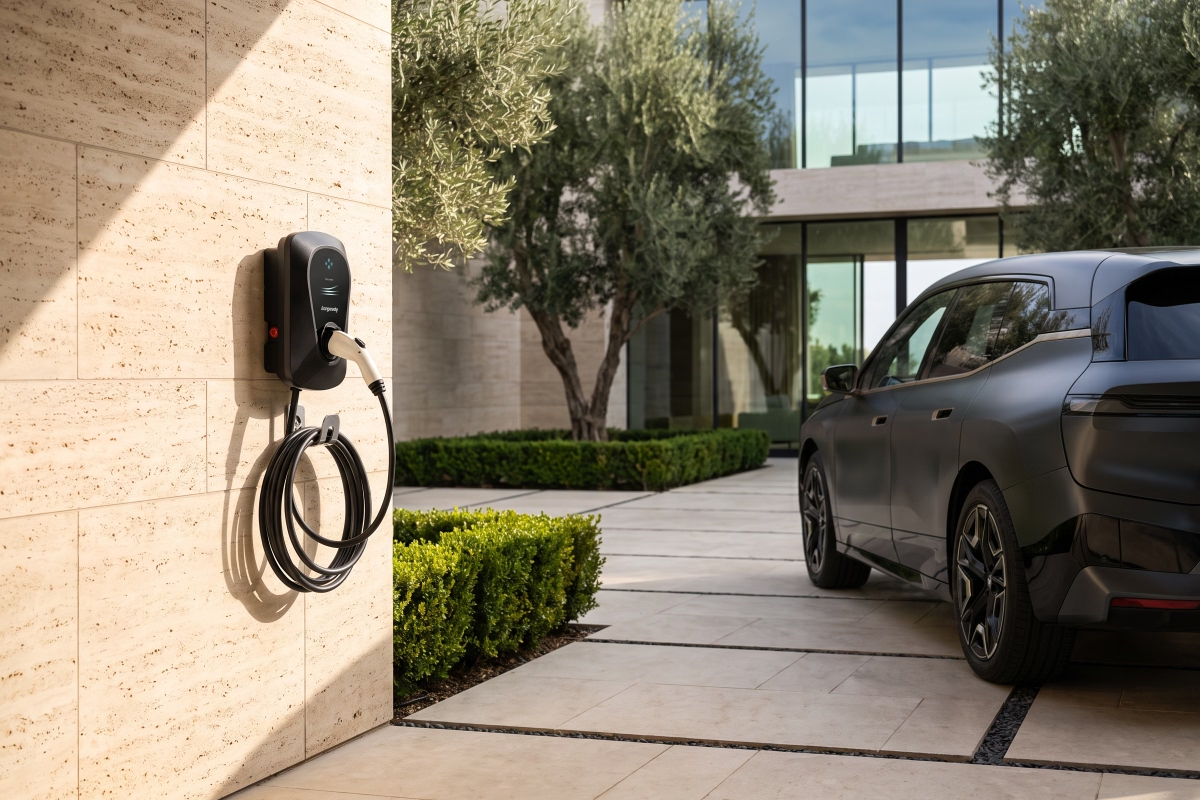
Once the cost drivers are clear, the next question is what each charger type actually runs once installation is factored in.
Level 2 chargers
Level 2 chargers are the standard choice for properties where vehicles stay parked for hours rather than minutes, which covers most workplaces, retail centers, and multifamily buildings. Equipment costs typically range from $500 to $2,500 per unit, and total installed cost, including labor, wiring, and permitting, generally falls between $3,000 and $10,000 per port under normal site conditions. For EV charging for multifamily properties, this is usually the right charger type, since residents park overnight and don't need a fast turnaround.
Sites that require a panel upgrade or a longer cable run from the electrical room can push well past that range, which is why the site specific factors covered earlier matter as much as the charger itself.
DC fast chargers
DC fast chargers serve a different purpose. They're built for locations where drivers need a meaningful charge in 20 to 40 minutes rather than a few hours, which makes them a better fit for retail centers and other high traffic, short dwell time properties. Equipment alone typically costs $20,000 to $50,000 per unit, and once installation is included, covering the additional electrical infrastructure most sites need to support that power level, total costs commonly land between $30,000 and $100,000 or more per unit.
Because of the equipment and infrastructure involved, DC fast charging is usually a targeted decision for specific site types rather than a default choice across a property.
Hidden costs property owners should plan for
The installation quote covers the visible part of the project, but it's rarely the full financial picture. A few recurring costs are easy to miss when budgeting upfront.
Ongoing software and network fees
Most charging networks charge a monthly or annual fee per port to keep the platform running, covering things like payment processing, remote monitoring, and driver account management. These fees continue for as long as the chargers stay in service, so they belong in any long term cost comparison, not just the initial installation budget.
Maintenance and repairs
Chargers sit outdoors and see daily use, so like any equipment, they eventually need repairs. It's worth asking upfront who's responsible for those costs and how quickly issues typically get resolved, since a charger that sits offline for weeks creates its own cost in lost revenue and frustrated tenants or employees.
Payment processing and transaction fees
When drivers pay per session, a small percentage of that revenue typically goes toward payment processing. On its own this is a minor cost, but across hundreds of monthly sessions it adds up and should be factored into any revenue projection rather than treated as negligible.
Electrical upgrades
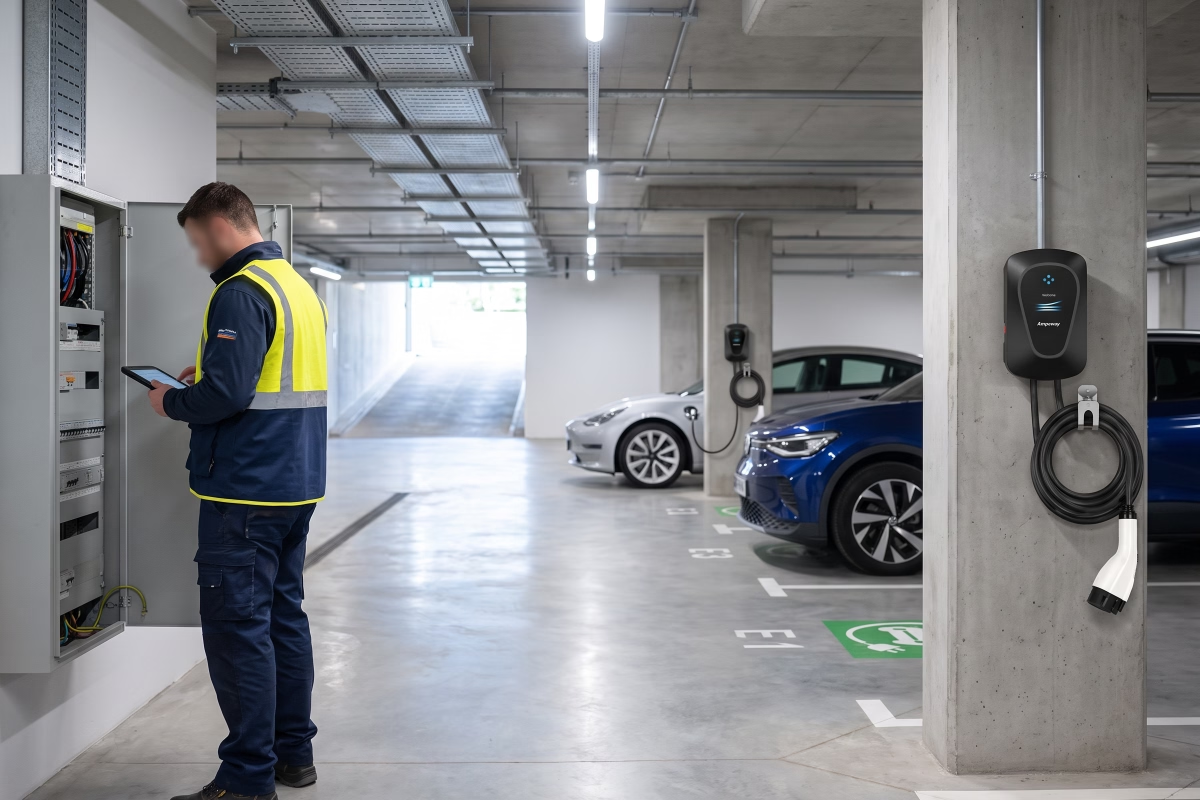
If a site assessment shows the panel doesn't have enough spare capacity, upgrading it, or adding transformer capacity, can become one of the largest single costs in the entire project. This depends heavily on the utility involved and local permitting requirements, so it's worth getting a clear number on this early, since it can reshape the scope and budget of the whole installation.
How can you reduce EV charging installation costs?
High upfront costs aren't fixed. Several strategies can bring the total down without limiting how much a property can grow into over time.
Start with scalable infrastructure
Installing conduit and electrical capacity for future chargers during the initial project, even if only a handful of ports go in right away, is considerably cheaper than trenching and permitting a second time later. Planning for growth upfront avoids paying for the same groundwork twice.
Use dynamic load management
Rather than reserving a fixed amount of power for every charger at all times, load management systems distribute available power across active chargers in real time. This allows a property to support more chargers on its existing electrical capacity, often avoiding a panel upgrade altogether. A building with 400 amps of spare capacity might only support 10 chargers at fixed full power, but with dynamic load balancing, that same capacity can support up to 50 chargers, since power is adjusted based on who's actually charging at any given moment.
Take advantage of incentives and rebates
Many states and utilities offer rebate or grant programs that cover part of EV charging installation costs. Programs like California's CALeVIP can offset upfront expenses, though eligibility and funding vary by program and region, so it's worth checking what's currently available before finalizing a budget.
Phase deployment as demand grows
Rather than installing every charger a property might eventually need, many owners start with a smaller number of ports and expand as usage increases. This spreads out capital costs and lets actual demand, rather than projections, guide how much to invest in the next phase.
How long does it take to recover the investment?
There's no fixed timeline that applies across properties, since payback depends heavily on usage and local conditions. What follows are the components that shape it, not a guaranteed number.
Revenue from charging sessions
Chargers generate direct revenue each time a driver pays to use one, whether through a flat session fee, a per kilowatt hour rate, or a time based rate. How quickly that revenue accumulates depends largely on how many chargers are installed and how consistently they're used, which varies a lot from one property to another.
Indirect financial benefits
Charging revenue is only part of the return. Properties with EV charging tend to attract and retain tenants more easily, since drivers increasingly view charging access as a standard amenity rather than an extra. For multifamily EV charging in particular, this retention effect often matters more over time than the session revenue itself. Retail centers see a related benefit, since charging tends to keep customers on site longer, which can support higher in-store spending during that time.
Factors that influence payback
Utilization is the largest variable. A charger that sits mostly idle takes considerably longer to offset its installation cost than one that's in consistent use. Local electricity rates, the pricing model chosen for drivers, and whether the property owner covered installation costs upfront or worked with a revenue sharing arrangement also affect how the numbers play out over time. Because these variables differ by property, payback periods are best estimated case by case rather than assumed from industry averages.
Planning your EV charging project
Once the EV charging station installation cost picture is clear, turning it into an actual project comes down to a few practical steps.
Assess current and future demand
Start by looking at how many tenants, employees, or customers already drive electric vehicles, and where that number is likely to be in a few years. This helps determine how many chargers make sense to install now versus what to plan capacity for later, rather than guessing at a number upfront.
Choose the right charging hardware
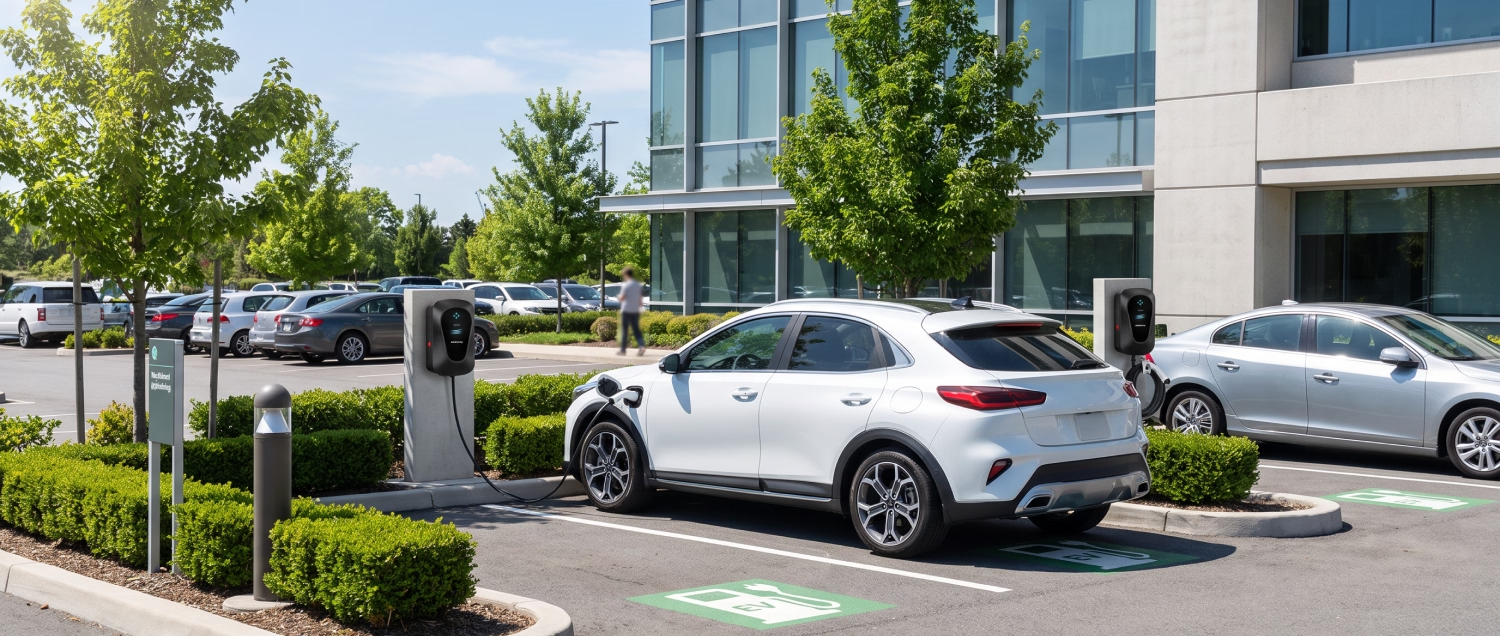
Match the charger type to how long people typically stay. Level 2 chargers make sense almost anywhere people park for a while, including offices, hotels, and multifamily buildings. DC fast chargers fit better at high traffic, short dwell time properties like retail centers. Getting this match right from the start is a big part of what keeps EV charging station installation on budget, since choosing the wrong charger type for a site tends to create costs that show up later rather than upfront.
Select an EV charging management platform
The software behind the chargers matters as much as the hardware itself. Look for an EV charging solution like Ampaway that makes it straightforward to monitor charger status, track revenue, and handle driver support, without requiring the property owner or facility manager to have a technical background.
To Wrap Up
The cost of installing EV charging depends on far more than the charger itself. Electrical capacity, distance from the panel, site layout, and ongoing software and maintenance fees all shape the final number, and that number looks different for every property. Level 2 and DC fast charging serve different needs and come with correspondingly different cost ranges, and strategies like scalable infrastructure, dynamic load management, and phased deployment can bring costs down without limiting how a property grows over time.
Ampaway covers the full cost of installation, hardware, and setup for property owners, and shares in the resulting revenue rather than charging upfront. For property owners weighing whether to take on installation costs directly or work with a partner who covers them, that's often the deciding factor.